As parents, we constantly seek to make the best decisions for our children's health, and when we have that gut feeling that something is not right, it’s unsettling, especially if we’re not quite sure what is wrong. There is a term that may not be on the radar for most parents: proprioception. If your child struggles with motor tone and development, weak core, delayed walking or talking, sensory processing disorder, autism spectrum disorder, or even ADHD and anxiety, then proprioception could be at the core of these challenges.
Understanding proprioception, its importance for children's developing brains, and how early childhood stressors and birth interventions such as C-sections, inductions, forceps, and vacuum-assisted deliveries can disrupt it is vital knowledge for parents.
If you are a parent whose child is dealing with motor function issues, tone and coordination difficulties, sensory processing challenges, speech delays, and more, this is for you. It is especially relevant if you have your child in common therapies like physical therapy (PT), occupational therapy (OT), and speech therapy but have either reached a plateau or are not witnessing the desired results as quickly as you had hoped.
As Neurologically-Focused Chiropractors, we want to dive deep with you into the topic of proprioception, motor tone, and development and how they profoundly impact sensory processing, behavioral and emotional regulation, focus, memory, and much more. By gaining a solid understanding of these concepts, you, as a parent, will be empowered to make informed decisions about your child's health and development.
Understanding Proprioception

Proprioception is like our body's "sixth sense" that constantly sends information to the brain about the body's position, movement, coordination, spatial orientation, and motor tone. Although we may not consciously think about it, proprioception is essential for everyday tasks such as walking, writing, and reaching for objects.
Crucially, proprioception plays a pivotal role in brain development, optimal brain function, regulation, and overall well-being in developing children and teenagers. Altered proprioception is closely correlated with the four main neurological conditions that children often face today: autism, sensory processing issues, ADHD, and anxiety. It can also be connected to epilepsy and seizures.
Birth Trauma + Subluxation
Birth interventions and trauma, including C-sections, inductions, forceps, and vacuum-assisted deliveries, can disrupt proprioceptive input by causing physical injuries to the brainstem and vagus nerve. These injuries contribute to stress, or subluxation, on the nervous system - a condition known as dysautonomia.
Subluxation involves three main components: misalignment, fixation or decreased proprioceptive input, and neurological interference, imbalance, and dysfunction. It is essential to understand how these factors impact your child’s body.
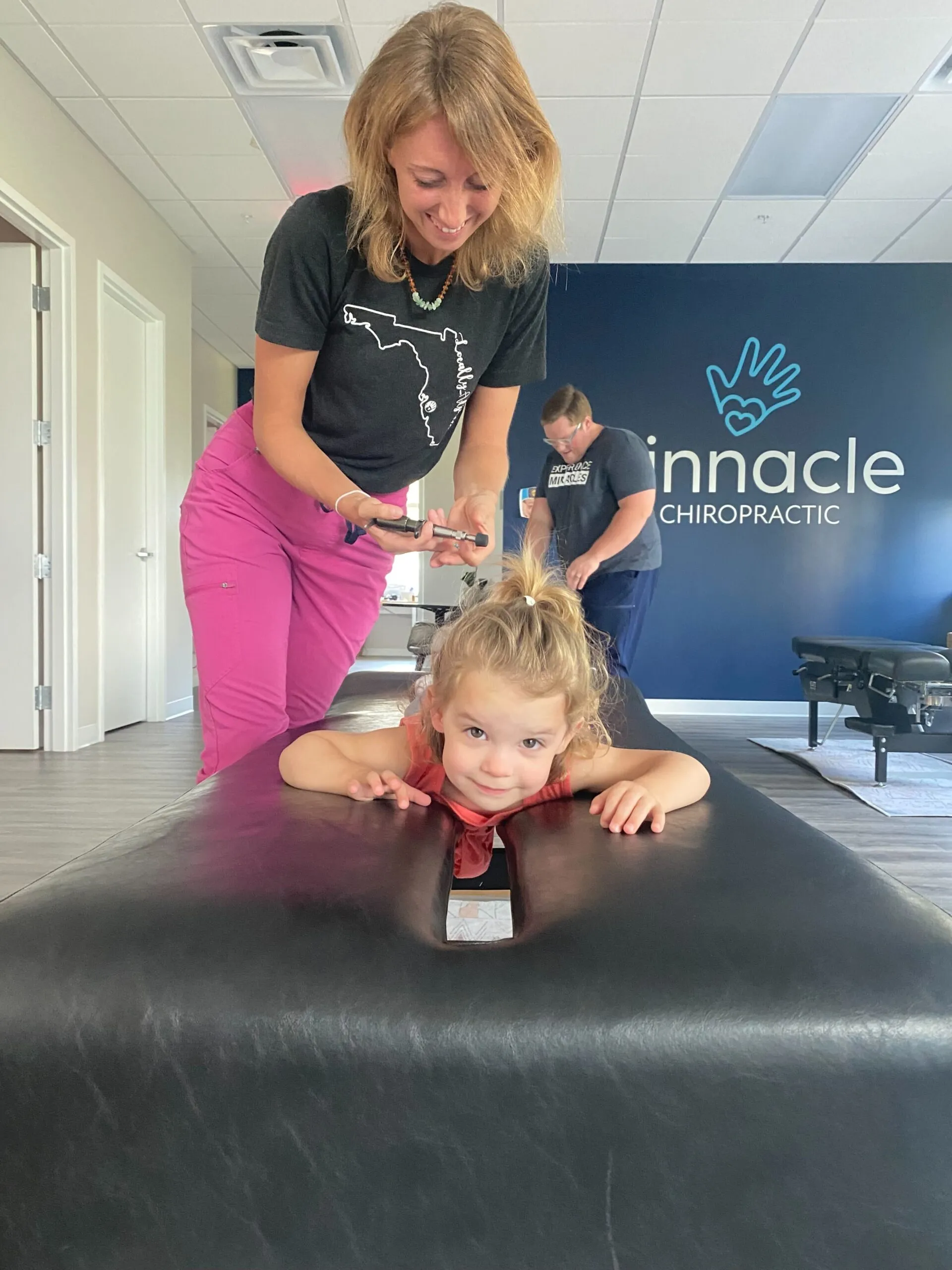
While physical therapy (PT) and occupational therapy (OT) exams assess proprioceptive function and motor tone through movement and coordination tests, our neurological INSiGHT scans provide a deeper analysis of the root causes. With the information gathered from the INSiGHT scans, we can identify the specific subluxation and altered proprioception. Neuro-Tonal Adjustments, designed to enhance proprioceptive input into the brain and central nervous system, can then be applied to help improve your child's condition.
Story of Hope: Joseph and His Struggle with Proprioception
Hearing from another family who has experienced something similar to what you’re going through can help you relate and put all the puzzle pieces together. Joseph’s story is an inspiring one that connects with the essence of proprioception. Joseph, whose journey from anxiety, sensory processing disorder, and low muscle tone to a happier, more relaxed state with improved posture, showcases the transformative power of understanding proprioception. You can find Joseph's inspiring story and related scans here.
Drug-Free Care for Your Child’s Proprioception
If you suspect that your child is struggling with proprioception and related conditions, and you feel that the progress from PT, OT, and Speech Therapy alone is not as fast or complete as you would like, we encourage you to explore Neurologically-Focused Chiropractic. It so often serves as the missing link in improving proprioception and overall neurological development in children.
Please reach out to our team at Pinnacle Chiropractic, we’d love to answer any questions you may have! If you're not local to us, reach out to Pinnacle Chiropractic directly and we'll be happy to help point you in the right direction. Together, we can help you support your child's health and give more support with their daily movement or sensory struggles.