The High-Pressure Life of a Teen Athlete: Why Balance Matters
If you’re a parent of a teen athlete, you know the juggle is real. Between early-morning practices, late-night homework, and weekend tournaments, today’s teens are under more pressure than ever. The drive to excel—both on the field and in the classroom—can be inspiring, but it also means our kids are walking a tightrope when it comes to balancing sports and school. Understanding what’s at stake, and how to spot the warning signs of overwhelm, is essential for protecting your child’s health, happiness, and long-term potential.
Academic Demands vs. Athletic Dreams
For many teens, sports aren’t just a hobby—they’re a passion, a social outlet, and, for some, a path to college scholarships. But the reality is that the hours spent on the field or court directly compete with the time and energy needed for homework, studying for AP or honors classes, and maintaining a vibrant social and family life.
Consider a typical week: a high school soccer player might have two-hour practices after school, weekend travel games, and evening study sessions for upcoming tests. Add in extracurriculars, part-time jobs, and family responsibilities, and it’s easy to see how quickly their schedule fills up. The pressure to perform in every area can make it feel like there’s never enough time to rest or recharge.
As parents, it’s natural to want our kids to “do it all.” But when academic deadlines and athletic commitments collide, something usually has to give. That’s why teaching balance—and modeling it ourselves—is one of the greatest gifts we can offer our teens. For more on this, check out our blog on the 4 pillars of back-to-school health every family needs to know.
Warning Signs of Overwhelm
Teens are famously resilient, but even the most dedicated athlete has limits. When the nervous system is pushed into overdrive, the body starts sending out red flags—sometimes quietly at first:
- Chronic fatigue: Your teen seems tired no matter how much they sleep
- Mood swings or irritability: Emotional ups and downs become more extreme or frequent
- Slipping grades: Academic performance drops, even in favorite subjects
- Recurring injuries or frequent illnesses: The body can’t recover as quickly
- Difficulty falling or staying asleep: Nighttime restlessness or insomnia
If you notice any of these signs, it could mean your child’s nervous system is struggling to cope with the constant demands. These symptoms aren’t just “growing pains”; they’re signals that something deeper is off balance. For a closer look at how stress and sleep issues are connected, read our article on why some teens can’t sleep at night.
The Nervous System: The Body’s Fuse Box
Think of your teen’s nervous system like the fuse box in your home. When everything is running smoothly, energy flows where it’s needed—powering both athletic performance and mental focus. But if too many demands are placed at once, a “fuse” can blow, cutting off power to important systems. Suddenly, your teen may feel exhausted, unable to concentrate, or emotionally on edge.
This isn’t about a lack of effort or motivation—it’s about a system that’s overloaded. Chiropractic care, especially when focused on nervous system balance, can help “reset” those circuits, restore healthy function, and support your teen’s ability to manage stress. For families dealing with focus or sensory challenges, our blog on why ADHD and sensory issues are really nervous system issues provides valuable insight.
Supporting Balance and Resilience
Helping teen athletes balance sports and academics isn’t just about scheduling—it’s about supporting the whole child. Encourage open conversations about stress, set realistic expectations, and watch for subtle changes in mood or energy. Small adjustments, like prioritizing rest days, creating a calming bedtime routine, and seeking out nervous system-based chiropractic care, can make a world of difference. Remember, your teen’s potential is best unlocked when their mind and body are in sync.
Looking for a Pediatric or Prenatal Chiropractor near you? Please visit www.pdcnearme.com to find someone in your area.
Common Injuries & Stressors in Youth Sports—and How to Prevent Them
If you’re the parent of a student athlete, you know firsthand how rewarding—and how challenging—the world of youth sports can be. While sports offer invaluable lessons in teamwork, perseverance, and confidence, they also bring a unique set of physical stressors that can impact your child’s health, growth, and academic focus. Understanding the most common injuries and stressors in youth sports—and how to prevent them—can empower your family to keep your child thriving both on and off the field.
Overuse Injuries and Growth-Plate Concerns
As children and teens grow, their bodies are like houses under renovation—constantly changing, with new rooms (bones and muscles) being added and old wiring (nerves and connective tissues) sometimes getting stretched. Growth plates—the vulnerable areas at the ends of long bones—are especially at risk during sudden growth spurts. This is why you might notice your teen’s ankles, knees, and shoulders becoming more prone to soreness or injury during a big growth phase.
Common overuse injuries include:
- Osgood-Schlatter disease (knee pain)
- Sever’s disease (heel pain)
- Little League elbow or shoulder
When teens play one sport intensively or jump from season to season with little rest, repetitive stress can overwhelm these developing areas. According to the American Academy of Pediatrics, up to 50% of all sports injuries in children and adolescents are related to overuse rather than acute trauma. It’s not just about the muscles or bones—when the nervous system is under constant demand, it can create a “traffic jam” in the body’s communication highways. Imagine the brain trying to send signals to the muscles, but congestion slows everything down, making coordination and healing less efficient.
For more on how chiropractic care can address these issues in sports like baseball, soccer, and dance, see our guide: Keeping SRQ's Little Athletes Injury-Free: Chiropractic Care for Baseball, Soccer & Dance.
The Role of Proper Warm-Ups and Cool-Downs
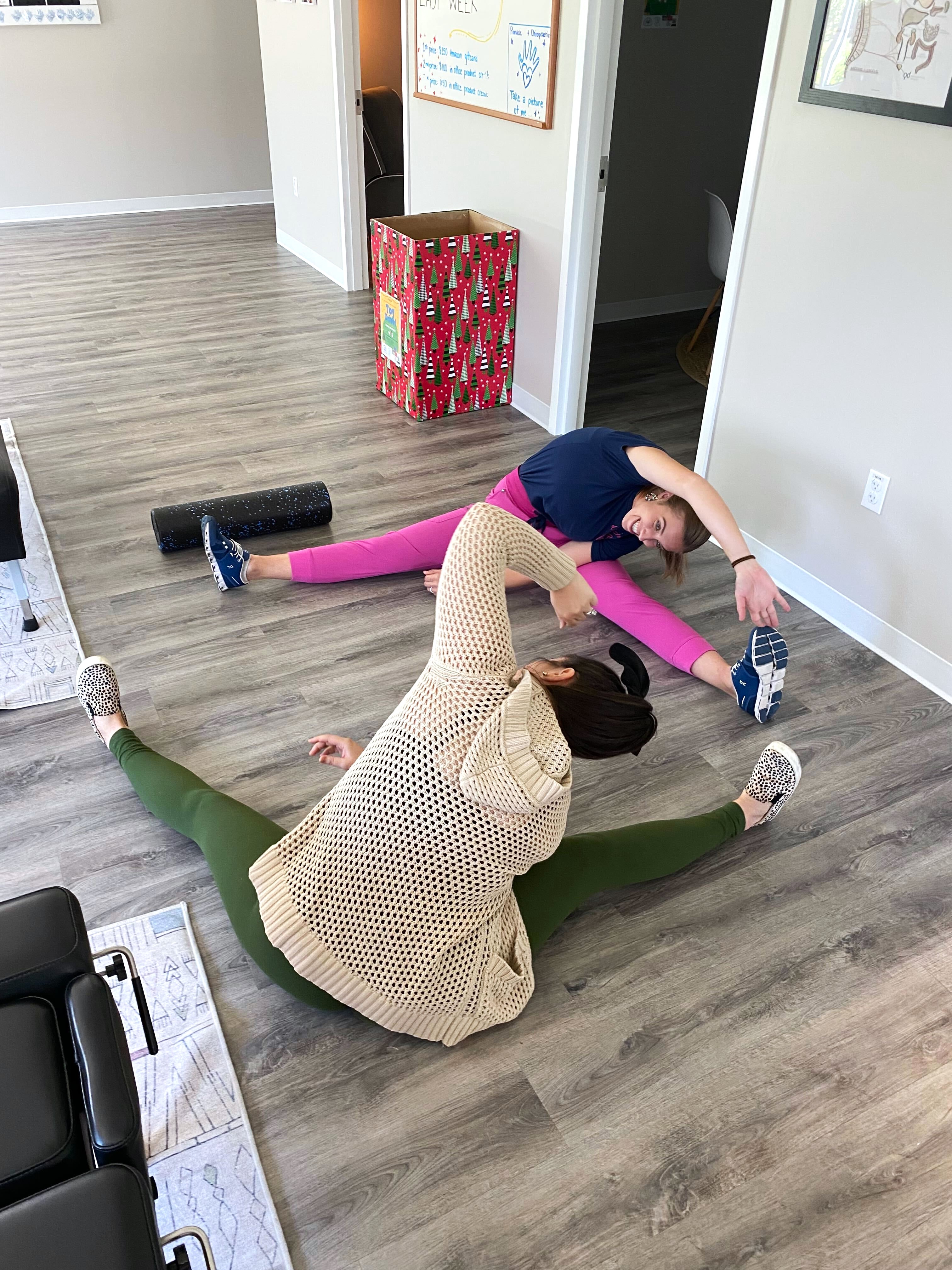
One of the simplest—and most effective—ways to prevent injuries in youth sports is through intentional warm-up and cool-down routines. Think of these routines as gently waking up and winding down your child’s “fuse box” (nervous system), ensuring all circuits are ready to handle the demands of play and recover efficiently afterward.
A simple pre-practice routine might include:
- Dynamic stretching (like arm circles, leg swings)
- Light jogging or skipping
- Sport-specific movement drills
For cool-downs:
- Gentle walking or slow jogging to bring the heart rate down
- Static stretching to maintain flexibility
- Deep breathing exercises to activate the body’s rest-and-recover mode
Research shows that athletes who consistently warm up and cool down have a significantly lower risk of strains, sprains, and overuse injuries. In fact, a large review published in the British Journal of Sports Medicine highlights that structured warm-up programs can reduce lower limb injuries by as much as 50% in young athletes.
Beyond muscles and joints, these routines also help regulate the nervous system, priming your young athlete for optimal coordination and focus—a key aspect we explain in our post on Chiropractic Care for Balance and Coordination in Children.
Other Hidden Stressors: Scoliosis and Postural Strain
Not all stressors are visible during play. Repetitive motion, poor posture, and even carrying heavy backpacks can add up, sometimes contributing to spinal imbalances or early signs of scoliosis. If you’re concerned about your child’s posture or notice uneven shoulders or hips, learn more about what to watch for in our resource: What Are Signs of Scoliosis in Kids?.
Empowering Your Family for Youth Sports Wellness
Preventing injuries in youth sports isn’t just about physical safety—it’s about supporting your child’s entire nervous system so they can learn, grow, and compete with confidence. At Pinnacle Chiropractic, we believe in proactive, whole-family wellness that keeps every “fuse” running smoothly. If your teen is facing recurring aches, difficulty recovering, or you simply want to boost their potential, gentle, nervous system-focused chiropractic care can help clear those “traffic jams” and restore balance.
Looking for a Pediatric or Prenatal Chiropractor near you? Please visit www.pdcnearme.com to find someone in your area.
Chiropractic Care for Teen Athletes: Beyond Pain Relief
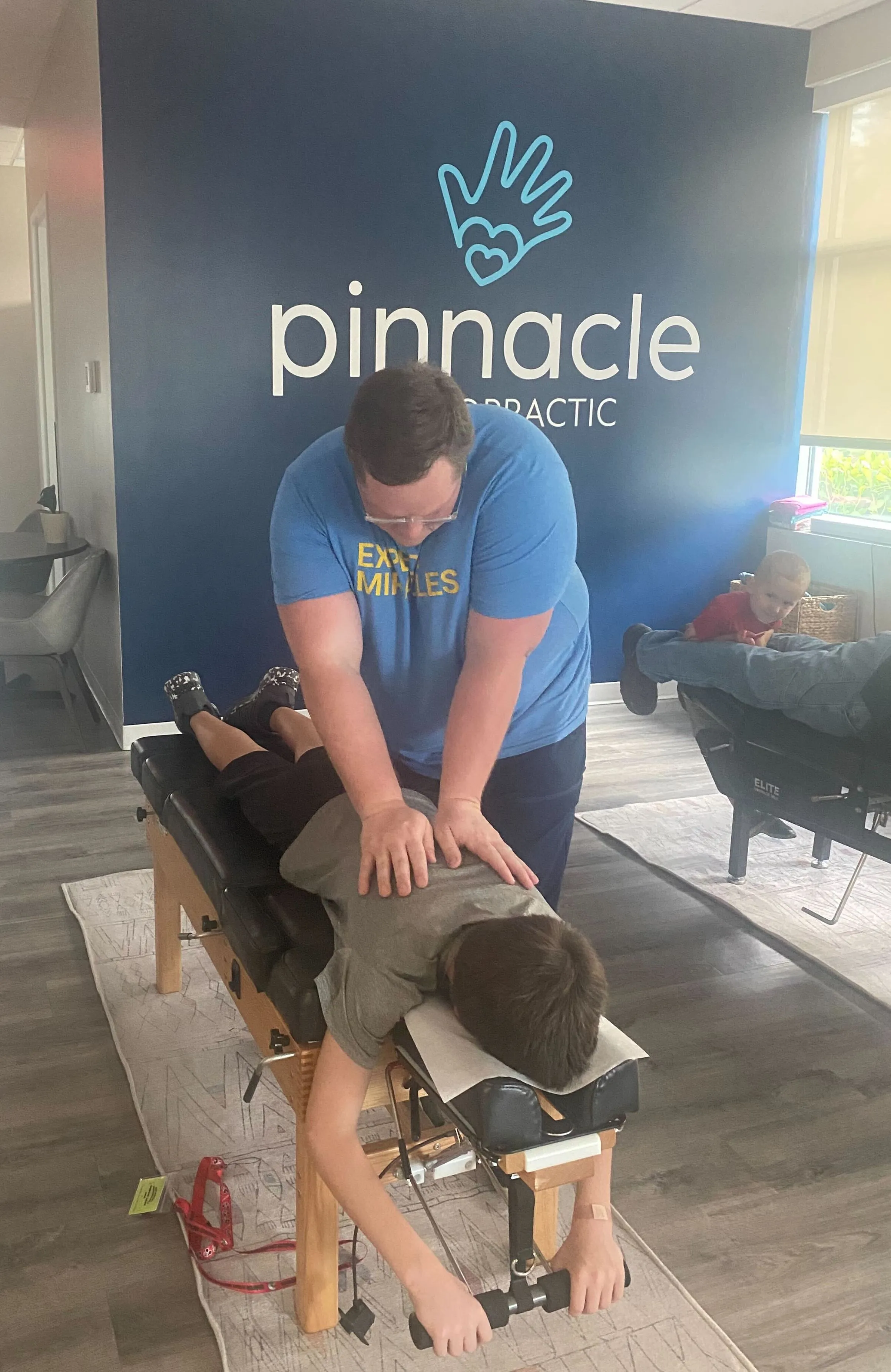
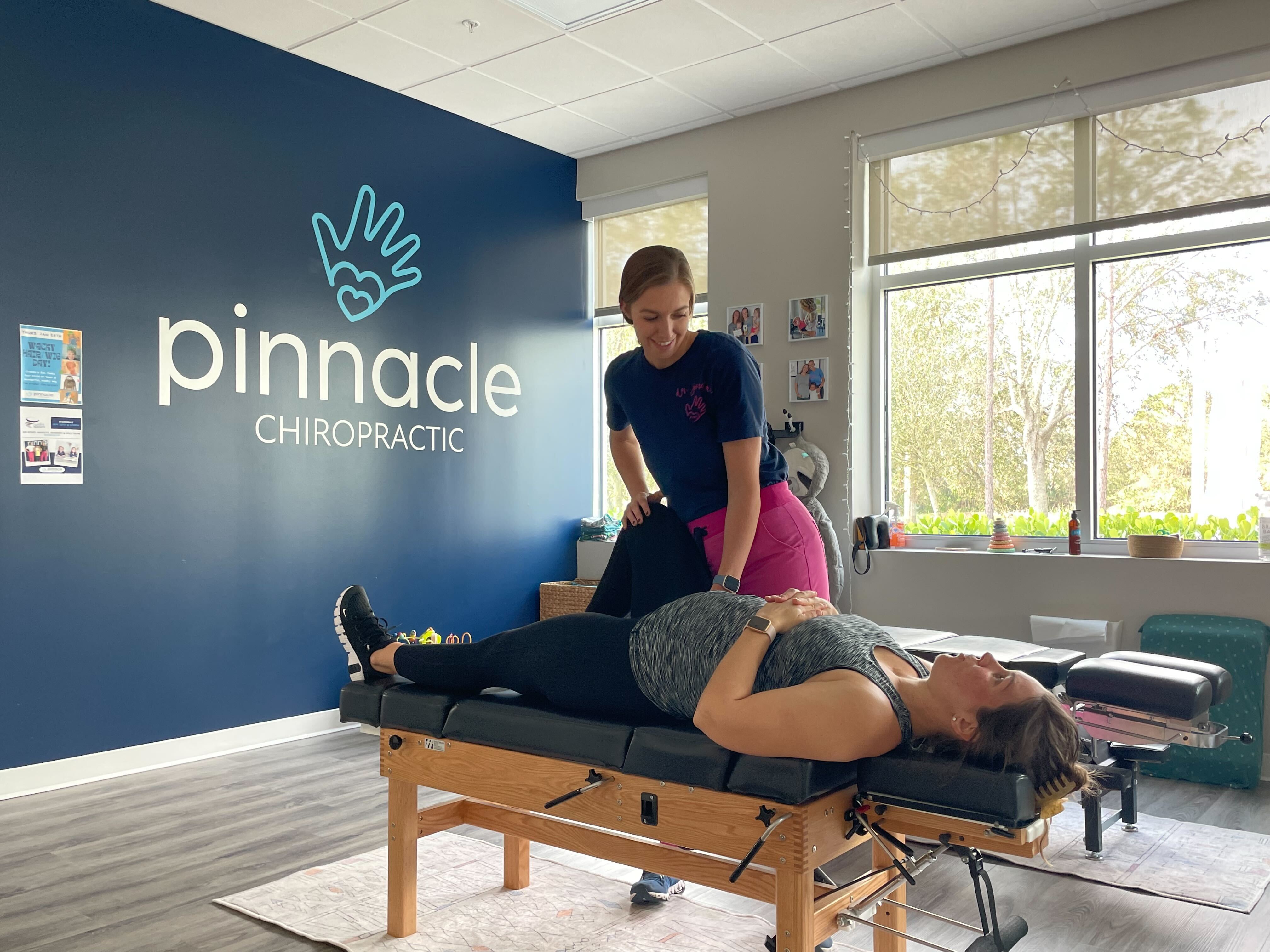
As a parent watching your teen strive for excellence on the field or court, you want every advantage for their success—and, above all, their wellness. While most families think of chiropractic care for teens as something to consider only after an injury or for pain relief, the reality is far broader. At Pinnacle Chiropractic, we take a family-centered, nervous system-based approach that gives student athletes a true performance edge, both in their sport and their daily lives.
Nervous System Regulation as a Performance Edge
Think of your teen’s nervous system as the “operating system” that keeps every part of their body running smoothly. When the demands of sports, academics, and social life pile up, that system can get overloaded—much like a computer that starts to freeze or lag. A chiropractic adjustment isn’t just about “cracking a bone”—it’s like pressing the reset button on that computer, allowing the system to reboot and function at its best.
When neural pathways are clear, signals from the brain can travel quickly and accurately to every muscle and joint. This translates to:
- Faster reaction times—helping your athlete pivot, dive, or race off the starting block with split-second accuracy.
- Better coordination and balance—so they can execute complex plays or routines with confidence.
- Quicker recovery—because a regulated nervous system helps the body heal and adapt efficiently after tough practices or minor injuries.
- Sharper focus—making it easier to transition from game day to homework, and back again.
Research and real-world results show that chiropractic benefits for student athletes go beyond symptom relief—they help unlock untapped potential by supporting the body’s natural ability to adapt and perform. For more on the science and stories behind this approach, see 10 Years of Miracles: The Real Impact of Nervous System-Based Chiropractic.
Real-World Success Stories
At Pinnacle Chiropractic, we’ve witnessed countless student athletes experience the transformative power of nervous system-based care. Take the story of a local high school runner who came to us struggling with recurring shin pain and sluggish finishes. After a series of adjustments focused on restoring balance to her nervous system, not only did her pain resolve, but she also shaved nearly a second off her 800-meter time—setting a new personal best.
Or consider the soccer player who, after a mild concussion, found himself struggling with focus both on the field and in the classroom. Chiropractic support for athletes helped reset his system, much like rebooting a stuck computer. Within weeks, his coordination improved, his headaches faded, and his teachers noticed he was more engaged in schoolwork.
These results aren’t unique to our practice. Across the country, families are discovering how youth sports wellness and chiropractic go hand-in-hand, supporting not just injury recovery, but healthy growth, resilience, and even behavioral improvements. For further reading, explore Can Chiropractic Care Improve Behavior in Kids?.
More Than Just the Body: Whole-Family Wellness
Chiropractic care for teens is most powerful when it’s part of a bigger picture—supporting your child’s mind, body, and family connection. When your teen’s nervous system is clear and balanced, you may notice not only better performance, but also a calmer mood, improved sleep, and more energy for both sports and school. Curious about how this integrative approach can complement other therapies? Visit Why Chiropractic + OT/PT/SLP Is a Game-Changer for Developmental Delays.
If you’re seeking a proactive, hope-filled way to help your teen athlete thrive—on the field and beyond—consider nervous system-based chiropractic care.
Looking for a Pediatric or Prenatal Chiropractor near you? Please visit www.pdcnearme.com to find someone in your area.
Homework, Recovery & Sleep: Building a Winning Daily Routine
Balancing sports, homework, and health can feel overwhelming for both teens and their parents. The demands on today’s student athletes—early practices, late games, hefty homework loads, and family commitments—make it easy for stress to build and energy to drain. As parents, you want your teen to excel, but more importantly, you want them to thrive, both on and off the field. Creating a daily routine that nurtures their nervous system, supports academic achievement, and prioritizes recovery is the foundation for sustainable success.
A well-structured day isn’t about perfection—it’s about helping your child manage their responsibilities without burning out. At Pinnacle Chiropractic, we see firsthand how small shifts in daily habits can unlock big transformations. Here’s how you can help your teen athlete build a balanced routine that keeps their mind sharp, their body strong, and their heart connected to family.
Time-Blocking Tips for Busy Teens
Imagine your teen’s day as a series of building blocks. When each block—school, sports, homework, downtime, family meals—is given its own space, the day feels more manageable and less chaotic. Time-blocking is a practical tool that empowers student athletes to balance sports and school, while ensuring there’s still time for rest and relationships.
Here’s how to get started:
- Create a visual schedule: Use a simple planner or dry-erase board to map out each day. Block out non-negotiables like practice and class time first.
- Schedule focused study sessions: Instead of marathon homework blocks, try 30- to 45-minute sessions separated by short breaks. This helps maintain focus and reduces overwhelm.
- Prioritize family dinners: Even if it’s just 2-3 nights a week, shared meals provide a much-needed pause and help teens decompress.
- Protect downtime: Encourage at least 20–30 minutes a day of tech-free relaxation, whether it’s reading, stretching, or simply unwinding.
- Plan for sleep: Aim for 8–10 hours of rest. Build a “wind-down” routine with dim lights and no screens for at least 30 minutes before bed.
Parents, remember—flexibility is key. Adjust the schedule as needed and celebrate small wins. For a deeper dive into holistic family routines, explore 10 Lessons from 10 Years of Transforming Family Health.
Nutrition and Hydration That Fuel Both Brain and Body
Healthy routines don’t stop at scheduling. Nutrition and hydration are critical for managing stress for teen athletes and keeping their energy steady through long days.
Quick snack ideas for busy teens:
- Apple slices and nut butter (protein + fiber for sustained energy)
- Greek yogurt with berries
- Turkey and cheese roll-ups with whole grain crackers
- Hummus and carrot sticks
- Overnight oats with chia seeds and fruit
Hydration is equally vital. Think of water and electrolytes as the “oil” that keeps your teen’s engine running smoothly. Dehydration—even mild—can sap focus, slow reaction time, and increase injury risk. Encourage your teen to drink water throughout the day, not just at practice.
For athletes needing an extra boost, check out our guide on Best Electrolytes for Kids: Supporting Hydration, Focus & Immunity Naturally. And before choosing a sports drink, learn about Top Electrolyte Ingredients to Look For (And What to Avoid) to ensure your family is making the healthiest choice.
Keeping Your Teen’s Battery Charged: The Phone Battery Analogy
Let’s face it—today’s teens run hard. Between academics and athletics, it’s easy for their bodies to feel like a phone battery that’s always in the red. Every text, app, and call drains power; without regular charging, the phone shuts down. The same goes for your teen’s nervous system.
Quality sleep, regular chiropractic adjustments, and mindful breaks are the “chargers” that restore energy and keep the system running smoothly. When your child’s nervous system is balanced, their body can recover faster, their mind stays sharp for homework, and their mood remains more even.
At Pinnacle Chiropractic, we focus on nervous system regulation as the root of all health. When the “battery” is consistently recharged, your teen athlete is less likely to hit burnout and more likely to find joy and resilience in both school and sports.
Helping your athlete master the art of balancing sports and school isn’t just about time management—it’s about creating rhythms that fuel growth, resilience, and family connection. If you’re ready to help your student athlete thrive, we’re here to guide you every step of the way.
Looking for a Pediatric or Prenatal Chiropractor near you? Please visit www.pdcnearme.com to find someone in your area.
Creating a Support Team: Parents, Coaches & Chiropractors Working Together
Raising a healthy, thriving student athlete isn’t a solo project—it’s a family-centered team effort. Between early morning swim practices, late-night study sessions, and busy weekends filled with games or tournaments, today’s youth face a packed schedule. For parents, it can feel overwhelming to balance encouragement, academics, and your child’s well-being. But you aren’t in this alone. Building a strong support team—including parents, coaches, and a trusted family-centered chiropractic provider—can make all the difference in your teen’s sports journey and overall health.
Open Communication Channels: The Foundation for Student Athlete Health
A winning team thrives on clear communication. For student athletes, this means regular, honest check-ins between parents, coaches, and healthcare providers. Think of these as “wellness huddles”—intentional moments to align your teen’s training intensity with their academic demands and physical health.
Practical ways to foster these open channels:
- Weekly family discussions: Set aside time to openly talk about your child’s sports schedule, homework load, and how they’re feeling—physically and emotionally.
- Coach-parent collaboration: Don’t hesitate to share updates with your child’s coach, such as if a big test week is coming up or if your teen is feeling run down.
- Routine chiropractic check-ins: Just as you’d schedule regular dental visits, consider proactive chiropractic check-ins as vital “wellness huddles.” These visits support youth sports wellness by helping regulate the nervous system, optimizing recovery, and catching small issues before they become big setbacks.
Our approach at Pinnacle Chiropractic is rooted in family-centered chiropractic care. We see parents as the captains, coaches as team strategists, and chiropractors as the “wellness referees”—ensuring your child’s nervous system is balanced and ready for both sports and school. For more on our core values and why this approach matters, visit The 5 Core Values Behind Pinnacle—and Why They Matter for Your Family’s Healing Journey.
Red-Flag Moments: When to Seek Professional Evaluation
Even with great communication, red-flag moments can arise. It’s vital for every member of the support team to know when to pause and seek expert guidance.
Watch for these signs:
- Persistent or worsening pain, especially in the back, neck, or joints
- Signs of concussion: headaches, dizziness, confusion, or sensitivity to light/sound
- Recurring stress fractures or overuse injuries
- Fatigue that doesn’t resolve with rest
- Sudden changes in mood, sleep patterns, or academic performance
When these red flags appear, a proactive evaluation by a pediatric chiropractor can be transformative. Unlike traditional approaches that focus solely on pain or posture, family-centered chiropractic care looks deeper—addressing nervous system imbalances that may be contributing to recurring issues. This helps ensure your student athlete isn’t just patched up, but truly supported from the inside out.
Conversations about health don’t just benefit your teen; they ripple through the whole family. For dads carrying the invisible load of supporting both their child’s athletic and emotional growth, chiropractic care can be a game-changer. Learn more at The Invisible Load of Fatherhood: How Chiropractic Helps Dads Thrive.
The Power of a Family-Centered Approach
When parents, coaches, and chiropractors unite, the results speak for themselves: fewer injuries, improved focus, better recovery, and a more balanced, joyful experience for your child. Think of your child’s nervous system as the fuse box of your home—if a fuse blows, it impacts every room. Regular chiropractic “wellness huddles” help keep the fuse box running smoothly, so your child can shine in sports, school, and everyday life.
This holistic, proactive model isn’t just for athletes. Expecting moms, newborns, and the whole family benefit when the nervous system is in balance. Explore how chiropractic fits into every stage of family life, including pregnancy, at Bradenton Birth Plan Stories: How Prenatal Chiropractic Fits into Our Clients' Journeys.
In the end, balancing sports and school isn’t just about schedules—it’s about teamwork. When everyone works together, your teen’s Pinnacle Potential—on and off the field—is truly within reach.
Looking for a Pediatric or Prenatal Chiropractor near you? Please visit www.pdcnearme.com to find someone in your area.
Getting Started with Chiropractic Support: What to Expect at Pinnacle
When your teen is passionate about sports, you want to do everything possible to help them thrive—on the field, in the classroom, and at home. That’s why so many families are turning to chiropractic support for athletes as an essential part of their wellness toolkit. At Pinnacle Chiropractic, we know that the journey to balanced student athlete health begins with understanding, compassion, and a clear roadmap for care. Here’s exactly what you can expect when you get started with us.
First-Visit Assessments Tailored for Youth Sports
Every young athlete is unique, and so is their body’s response to the demands of training, competition, and academic stress. At Pinnacle, our initial assessment isn’t a one-size-fits-all exam—it’s a comprehensive, kid-friendly experience designed specifically for the challenges of youth sports.
We start with advanced nervous system scans and posture checks. Think of these like a “wellness map” for your child’s body. Just as a coach uses video playback to analyze a game, our scan technology pinpoints areas of stress or imbalance in the nervous system—before they become major roadblocks. This is especially crucial for preventing injuries in youth sports, where repetitive movements or unnoticed strains can quietly build up over time.
We’ll also talk through your child’s sports routines, academic pressures, and any recent bumps or falls. Our team listens deeply—because behind every stat or schedule is a real kid with big dreams and real stressors. By combining your insights with our expertise, we create a holistic picture of your teen’s health, growth, and goals.
Ongoing Care Plans and Measurable Progress
After the first visit, we develop a personalized care plan that’s as dynamic as your student athlete’s life. This isn’t about generic adjustments—it’s about supporting your child’s unique nervous system needs as they grow, train, and learn. Our approach includes:
- Gentle, nervous system-based adjustments: These help clear the “traffic jams” that can slow down the body’s natural healing and performance signals.
- Home exercises and stretches: We’ll recommend easy at-home routines to build strength, flexibility, and resilience—perfect for injury prevention and faster recovery.
- Coach and team collaboration: With your permission, we can communicate with coaches or trainers to ensure everyone is working together for your teen’s best health.
We track progress using follow-up scans, posture checks, and open conversations about how your child is feeling and performing. It’s like watching a plant flourish with the right sunlight and water—measurable improvements in focus, energy, and recovery can be seen both on and off the field.
Curious about how personalized care makes a difference? Learn more in Understanding the Power of a Personalized Care Plan or discover our gentle approach for all ages, starting with Your Baby's First Chiropractic Adjustment: What to Expect from Our Gentle, Caring Approach. Families facing unique prenatal or breech challenges can also explore Why Lakewood Ranch Moms Choose Gentle Chiropractic for Breech Babies – A Local Perspective.
Unleash Your Teen’s Pinnacle Potential
You don’t have to navigate the demands of sports, school, and health alone. With Pinnacle Chiropractic’s expertise in chiropractic care for teens and a family-centered approach, your child can enjoy greater resilience, fewer injuries, and more joyful moments—on and off the field.
Ready to see your athlete thrive with nervous system-based care? Call us today to schedule an evaluation and unleash your teen’s Pinnacle Potential.
Looking for a Pediatric or Prenatal Chiropractor near you? Please visit www.pdcnearme.com to find someone in your area.



.webp)
.webp)