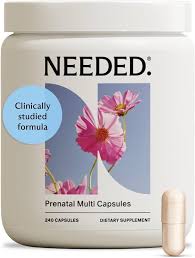
When it comes to preparing your body for pregnancy—and supporting your baby’s growth—not all prenatal vitamins are created equal.
In fact, many of the most popular prenatals on store shelves contain synthetic ingredients, poorly absorbed nutrients, and unnecessary additives that don’t truly support a woman’s body during one of the most nutritionally demanding seasons of life.
If you’ve ever stood in the vitamin aisle feeling overwhelmed, confused, or unsure what actually matters—you’re not alone.
In this guide, we’ll break down:
- Common problems with mainstream prenatal vitamins
- What to look for in a high-quality prenatal
- Why we consistently recommend Needed Prenatals as a foundational option for fertility, pregnancy, and postpartum
Why Prenatal Quality Matters More Than Ever
Pregnancy places significant nutritional demands on a woman’s body. Nutrients aren’t just supporting the growing baby—they’re also protecting mom’s nervous system, hormone balance, energy levels, and long-term health.
A prenatal vitamin should do more than “check a box.”
It should actually nourish, not simply meet minimum requirements.
Unfortunately, many popular options fall short.
What Often Goes Wrong With Mainstream Prenatal Vitamins
1. The Wrong Forms of Key Nutrients
One of the biggest issues with mainstream prenatal vitamins is the form of nutrients used—not just the amount.
Folic Acid vs. Folate
Many large brands still use synthetic folic acid instead of folate or methylfolate. This matters because a significant percentage of women carry genetic variations (such as MTHFR) that make it difficult to convert folic acid into the active form the body actually uses.
When that conversion doesn’t happen efficiently, it can contribute to:
- Functional folate deficiency
- Increased metabolic stress
- Poor nutrient utilization during pregnancy
The same issue can show up with other nutrients — look for methylcobalamin rather than cyanocobalamin for B12, chelated mineral forms rather than oxide forms for magnesium, and bioavailable forms of zinc.
2. Additives, Fillers, and Dyes to Watch For
Another thing worth checking is what’s included beyond the nutrients.
Some prenatal vitamins contain:
- Artificial colors and dyes
- Synthetic flavoring agents
- Preservatives
- Low-quality binders and fillers
Checking the "other ingredients" section of the label, not just the supplement facts panel, is the easiest way to catch these.
3. Missing Essential Nutrients Altogether
Surprisingly, many prenatals leave out nutrients that are essential for both mom and baby, such as:
- Choline
- Iodine
- Selenium
- Copper
- Manganese
- Boron
Others include these nutrients only in trace or ineffective amounts, requiring moms to purchase multiple add-on supplements just to meet basic needs.
What to Look for in a High-Quality Prenatal Vitamin
Before choosing a prenatal, look for these non-negotiables:
- Folate or methylfolate (not folic acid)
- Bioavailable B-vitamin forms
- Chelated minerals for better absorption
- No artificial dyes, flavors, or preservatives
- Thoughtful dosages that go beyond bare minimums
- Transparency in sourcing and formulation
Why We Recommend Needed Prenatals
When moms ask us what prenatal we trust as a foundation, Needed Prenatals consistently stand out.
1. Bioavailable, Thoughtfully Sourced Nutrients
Needed uses 24 vitamins and minerals in forms the body can actually recognize and use.
That means:
- No synthetic folic acid
- No cyanocobalamin
- No cheap, poorly absorbed minerals
Their formulas prioritize methylated and chelated forms designed for real-world absorption.
2. Therapeutic, Not Bare-Minimum, Dosages
Many prenatals aim to meet only the minimum RDA—just enough to prevent deficiency.
Needed goes beyond that by providing nutrient levels designed to truly support women during:
- Preconception
- Pregnancy
- Breastfeeding
- Postpartum recovery
This is especially important during periods of hormonal and neurological demand.
3. Free from Additives, Dyes, and Fillers
Needed Prenatals are:
- Free from artificial colors
- Free from unnecessary preservatives
- Free from flavoring agents and fillers
Every ingredient has a purpose.
4. Comprehensive, Flexible Support
While every mom’s needs are unique (and bloodwork always matters), Needed provides a strong, comprehensive foundation without forcing you to buy multiple separate products just to fill basic gaps.
Their product line supports the full MotherSpan—from fertility through pregnancy, postpartum, and beyond.
Supporting Pregnancy from the Inside Out
At Pinnacle Chiropractic, we believe pregnancy support goes beyond supplements alone.
A regulated, well-functioning nervous system plays a critical role in:
- Hormonal communication
- Adaptation to physical stress
- Digestion and nutrient utilization
- Overall maternal resilience
That’s why we encourage moms to combine high-quality nutrition with nervous system-based prenatal chiropractic care—supporting the body’s ability to adapt, connect, and thrive throughout pregnancy.
Final Thoughts: Your Health (and Your Baby’s) Is Worth It
Pregnancy is not the time to settle for low-quality, synthetic nutrition.
Choosing the right prenatal vitamin is an investment in:
- Your baby’s development
- Your nervous system and hormonal health
- Your postpartum recovery and long-term wellness
We confidently recommend Needed Prenatals because they reflect the same values we hold in our care: quality, intention, and respect for the body’s design.
Your body—and your baby—deserve nothing less.
Disclosure: this post contains affiliate links. If you choose to purchase through them, Pinnacle Chiropractic may earn a small commission at no extra cost to you.



.webp)
.webp)