B Vitamins for Kids: What They Do, Where They Come From, and When Supplements Come Up
The B vitamins are a team of eight nutrients that help the body turn food into usable energy and keep the nervous system running smoothly. Because they work behind the scenes, they rarely get the spotlight, but they come up often when parents ask us about tired kids, picky eaters, or mood and focus. At Pinnacle Chiropractic, we hear these questions from families across Lakewood Ranch, Sarasota, and Bradenton every week.
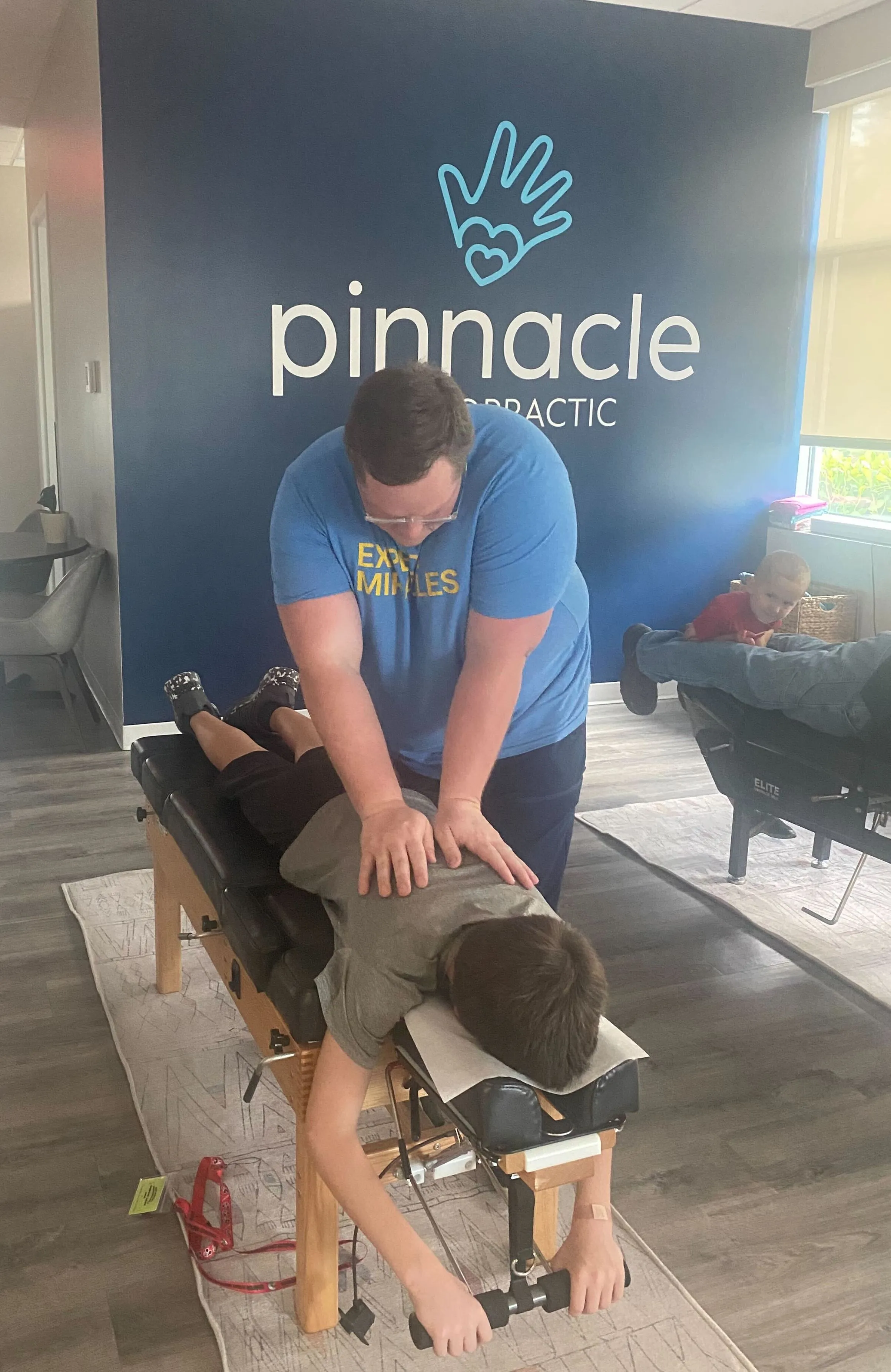
We see nutrition as one piece of how a child's nervous system functions. Gentle pediatric chiropractic adjustments are designed to support nervous system function, and B vitamins are among the nutrients the nervous system relies on every day. This article explains what they do, where they come from, who may fall short, and how to think about supplements.
Key Summary
• The B vitamins include B1, B2, B3, B5, B6, B7 (biotin), B9 (folate), and B12, and each has its own role in energy and nervous system function.
• Most are water-soluble, so the body does not store them well and kids need a steady supply from food.
• Meat, eggs, dairy, legumes, leafy greens, and fortified grains are the main food sources, and B12 is found naturally only in animal foods.
• Vegetarian and vegan diets, very selective eating, and digestive challenges can make it harder to get enough.
• Form and amount matter, and your child's healthcare provider can help decide whether a supplement makes sense.
What Do B Vitamins Actually Do?
B vitamins act as helpers, called coenzymes, in the chemical reactions that release energy from carbohydrates, fats, and protein. They are also involved in making red blood cells, building DNA, and producing the chemical messengers that brain cells use to communicate. That is why they are so often connected with energy, mood, and nervous system health in general conversations about nutrition.
It is worth being clear about the limits of what we know. Getting enough B vitamins supports normal function, but extra B vitamins beyond what a child needs are not known to boost energy or behavior in kids who are already getting enough.
Why This Matters for Families
When a child seems low on energy, has a very limited diet, or is dealing with ongoing digestive upset, parents naturally wonder about vitamins. These signs have many possible explanations, including sleep, activity, hydration, and illness, so B vitamins are only one possibility to explore. For many families, the first step is looking at overall eating patterns. Our post on nutrition tips for picky eaters is a helpful place to begin.
Where Kids Get B Vitamins From Food
A varied diet usually covers the B vitamins. Common sources include:
• Meat, poultry, and fish — rich in B12, B6, niacin, and other B vitamins.
• Eggs and dairy — dependable sources of B12 and riboflavin.
• Beans, lentils, and peas — good sources of folate and several other B vitamins.
• Leafy greens and avocado — contribute folate and other Bs.
• Whole and fortified grains — many breads and cereals are fortified with folic acid and other B vitamins.
• Nutritional yeast — a popular fortified option for plant-based families.
Who May Fall Short?
Several situations can make it harder for a child to get enough B vitamins:
• Vegetarian and vegan diets — B12 comes naturally only from animal foods, so plant-based families should plan carefully and discuss it with their provider.
• Very selective eating — kids who eat a handful of foods may miss important sources.
• Digestive challenges — absorption can be affected when the gut is struggling. Our article on gut health for kids explores how nutrition and the nervous system connect to digestion.
• Certain medications — some medicines can affect how B vitamins are used or absorbed.
Understanding Forms of B Vitamins
B vitamins are sold in several forms, and the differences can matter:
• Folic acid vs. methylfolate — folic acid is the synthetic form used in fortified foods, while methylfolate is an active form some practitioners prefer.
• Cyanocobalamin vs. methylcobalamin — two common forms of B12 with different chemical structures.
• B-complex vs. single B vitamins — B vitamins work together, so a complex is common, but some children need only one.
• Amounts — adult products often contain far more than a child needs, so never assume an adult product is appropriate for a child.
Our Preferred Option
When families ask about B vitamin support, Pinnacle Chiropractic's preferred brand is Designs for Health, a practitioner-focused supplement line. One option we point to is Designs for Health B-Supreme. Because product formulations and amounts differ, review the label and ask your child's provider whether a given product and amount suits your child's age and needs before using it.
Disclosure: Some product links in this article may be affiliate links. Pinnacle Chiropractic may receive a commission if you purchase through these links, at no additional cost to you. We recommend products based on our professional preferences and experience.
Your child's healthcare provider can help determine whether supplementation is appropriate and what amount makes sense for your child's age, diet, health history, and individual needs.
How Pinnacle Chiropractic Approaches Nutrition and the Nervous System
At Pinnacle Chiropractic, nutrition and nervous system care complement each other. We start with a nervous system evaluation using objective INSiGHT scans, including thermography, surface EMG, and heart rate variability, because we measure, we don't guess. We then create a personalized plan of gentle, age-appropriate pediatric chiropractic adjustments and talk through nutrition and supplement support when it is relevant, always alongside your pediatrician. For more on how nutrients support immunity, see our post on supplements for toddler immune health.
What Parents Can Do
• Offer a variety of B-rich foods like eggs, beans, leafy greens, and fortified grains each week.
• If your family eats plant-based, talk with your pediatrician about B12 specifically.
• Avoid giving a child an adult-strength B-complex without professional guidance.
• Check the labels of fortified cereals and snacks so you do not unintentionally double up.
• Keep all supplements stored safely out of children's reach.
FAQs
Do kids need a B vitamin supplement?
Many kids get enough from a varied diet. Kids who eat plant-based, have very limited diets, or have absorption challenges may be more likely to benefit from a conversation with their provider.
Can B vitamins give kids more energy?
B vitamins help the body make energy from food, but extra amounts have not been shown to boost energy in kids who already get enough. Tiredness has many possible causes worth discussing with your pediatrician.
Which B vitamin is most commonly low in kids?
B12 is the one parents of plant-based kids hear about most, since it occurs naturally only in animal foods. Needs and risks vary by child.
Is it safe to give a child an adult B-complex?
Not without guidance. Adult products often contain much higher amounts than children need, so ask your provider before using one.
What is the difference between folic acid and methylfolate?
Folic acid is the synthetic form used in fortified foods, while methylfolate is an active form of folate. Which is appropriate can depend on the child, so it is a good question for your provider.
Can chiropractic care replace nutrition support?
No. Gentle pediatric chiropractic adjustments are designed to support nervous system function, while nutrients like B vitamins support the body in different ways. They work best as complementary pieces of care.
Final Thoughts
B vitamins quietly support energy production and nervous system function every day. For most children, a varied diet does the job, and when eating is limited or a plant-based diet is in play, individualized guidance helps you decide what makes sense.
If you would like help thinking through nutrition and nervous system health for your child, Pinnacle Chiropractic is here for you. Our neurologically focused approach uses objective INSiGHT scans and gentle pediatric chiropractic adjustments designed specifically for children. Contact Pinnacle Chiropractic to schedule a consultation.



.webp)
.webp)