Kids today spend far more time indoors and on screens than previous generations. Yet a child's developing body and brain are wired to learn through big, varied movement — climbing, balancing, running, jumping and exploring. In Sarasota, Bradenton and Lakewood Ranch, we're lucky to have sunshine and green space nearly year-round. Here's why it's worth using it.
What Outdoor Play Does for a Growing Child
• Builds strength and posture. Climbing, hanging and carrying build the core and back muscles that support upright posture.
• Challenges balance and coordination. Uneven ground, grass and sand give the brain constant feedback to refine movement. See our post on balance and coordination in children.
• Supports sensory development. Wind, textures, sounds and varied light give the nervous system rich input, which can help kids who are sensitive or seeking.
• Encourages emotional regulation. Active, unstructured play is a natural outlet for big feelings and energy.
• Promotes sleep. Daylight and physical activity help set a healthy daily rhythm.
• Counterbalances screens. Time outside offsets the posture strain of tech neck and long periods of sitting.
Movement Milestones Start Early
Movement foundations begin in infancy. Floor play such as tummy time leads into crawling, walking and eventually running and climbing. If your child avoids certain movements, walks on their toes, or seems clumsy, you may want to read about why W-sitting, toe walking and clumsiness are often connected.
Easy Outdoor Ideas for Florida Families
• Playground circuits. Challenge kids to hang, climb, swing and balance on each piece of equipment.
• Beach days. Walking and running on sand works the feet, ankles and hips in new ways.
• Nature walks and scavenger hunts. Hunt for leaves, shells or birds on a local trail.
• Water play. Splash pads and pools build full-body strength with supervision always.
• Backyard obstacle courses. Use pillows, hula hoops and cones to create jumping, crawling and balancing stations.
• Early mornings and evenings. Beat the midday heat, use sunscreen and shade, and keep water on hand.
How Pediatric Chiropractic Care Fits In
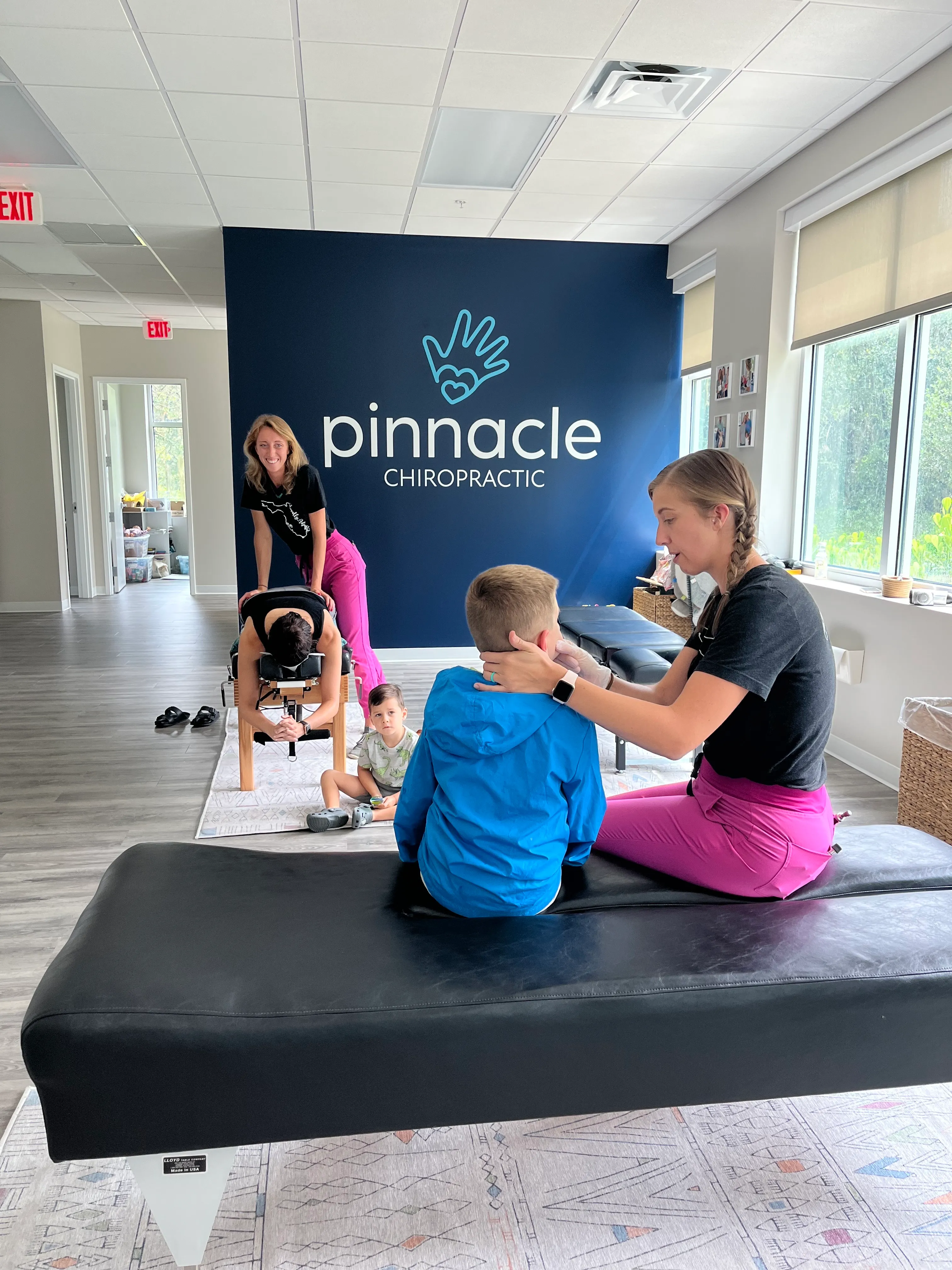
A child whose spine and nervous system are moving and communicating well is better equipped to explore, climb and play. Our pediatric chiropractic care is gentle and tailored to each child's age. Dr. Matt Morris may begin with a nervous system evaluation to look at posture, movement patterns and areas of tension. Chiropractic care supports normal function and is not a treatment for any specific condition.
Frequently Asked Questions
How much outdoor play does my child need?
Many pediatric health organizations recommend at least an hour a day of active play for school-age children. Any amount helps, and it doesn't have to be structured.
What if my child doesn't like being outside?
Start small and follow their interests: a short walk, bubbles, chalk or a water table. Some kids need time to adjust to new sensory input.
My child seems uncoordinated. Should I be concerned?
Children develop at different paces, but if you notice persistent clumsiness, frequent falls or missed milestones, mention it to your child's healthcare provider and consider a nervous system evaluation with us.
Final Thoughts
Some of the best things you can do for your child's development are free: step outside, move, and play. If you'd like to see how your child's body is moving and functioning, contact Pinnacle Chiropractic to schedule an evaluation.