Iron deficiency in pregnancy is common — your blood volume increases by up to 50%, and your body needs a lot more iron to keep up. If your OB or midwife has flagged low iron or ferritin on your labs, a standard one-a-day prenatal often isn't enough on its own.
Why iron needs vary so much
Some people head into pregnancy with healthy iron stores; others start out low or become depleted by the second trimester. That's why there's no single "best" iron dose for everyone — it depends on your labs, not just your trimester.
What to look for in a prenatal if you're low in iron
- A gentler iron form, like iron bisglycinate, which tends to cause less constipation and stomach upset than ferrous sulfate
- Vitamin C in the formula or taken alongside it, which improves iron absorption
- B vitamins (especially B12 and folate) to support energy, since fatigue from low iron and low B12 can look similar
- A prenatal that lists an exact iron dose, not a proprietary blend
Base prenatal + targeted iron
For most patients, we recommend starting with a clean base prenatal — Needed Prenatal Multi Essentials is a solid option — and then adding a separate, gentle iron supplement if your labs call for it. Your OB or midwife is the right person to tell you how much additional iron you actually need; more isn't automatically better, and too much iron can cause its own problems.
Patients in our office can also access Prenatal Pro through our dispensary as a practitioner-formulated base option.
Signs it's worth getting your iron checked
Fatigue that doesn't improve with rest, feeling unusually short of breath, or paleness are common signs — but they overlap with a lot of normal pregnancy symptoms, so the only way to actually know is bloodwork through your provider.
Can I just take more of my regular prenatal instead of adding iron?
Not usually a good idea — doubling up on a multivitamin means doubling every nutrient in it, including ones like vitamin A that have upper limits in pregnancy. A targeted iron supplement is the safer way to fill the gap.
How does this connect to chiropractic care?
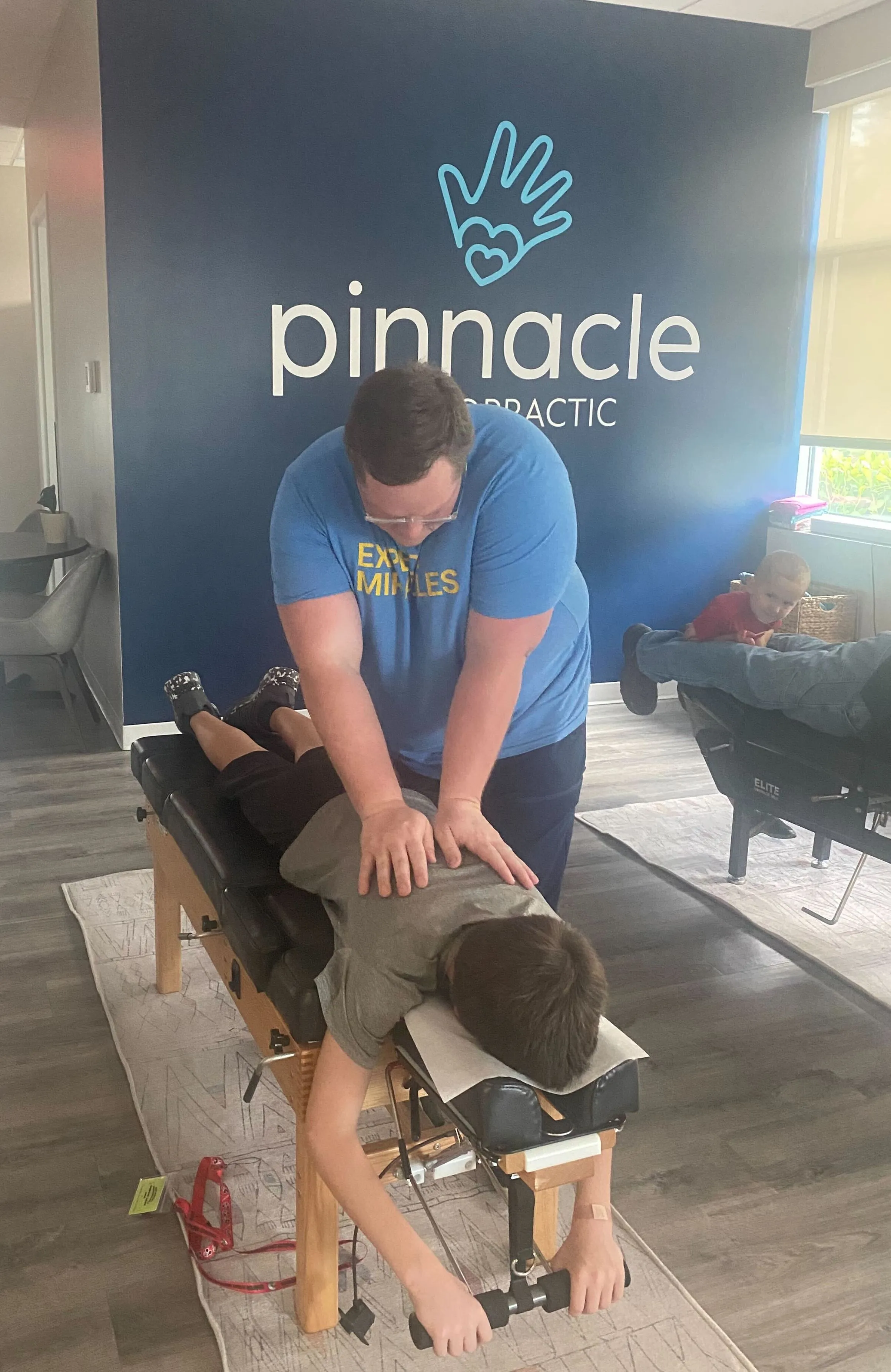
It doesn't directly — iron deficiency is a nutrition and bloodwork issue, not something chiropractic care treats. But many of our prenatal patients find that getting their nutrition dialed in alongside their prenatal chiropractic care helps them feel more like themselves through the third trimester.
Disclosure: this post contains affiliate links. If you choose to purchase through them, Pinnacle Chiropractic may earn a small commission at no extra cost to you. We only link to products we've personally vetted for ingredient quality — this doesn't change our recommendation either way.
This article is for educational purposes and isn't a substitute for medical advice. Talk with your OB, midwife, or pediatrician before starting or changing any supplement, especially during pregnancy or for a baby.



.webp)
.webp)