If Melatonin Isn’t Helping… You’re Not Alone
Many parents come to us saying:
- “Melatonin worked at first, but now it doesn’t.”
- “My child falls asleep but wakes up all night.”
- “They’re groggy, emotional, or wired the next day.”
Melatonin is often treated like a harmless sleep vitamin—but for kids, it’s not always the right tool, especially long term.
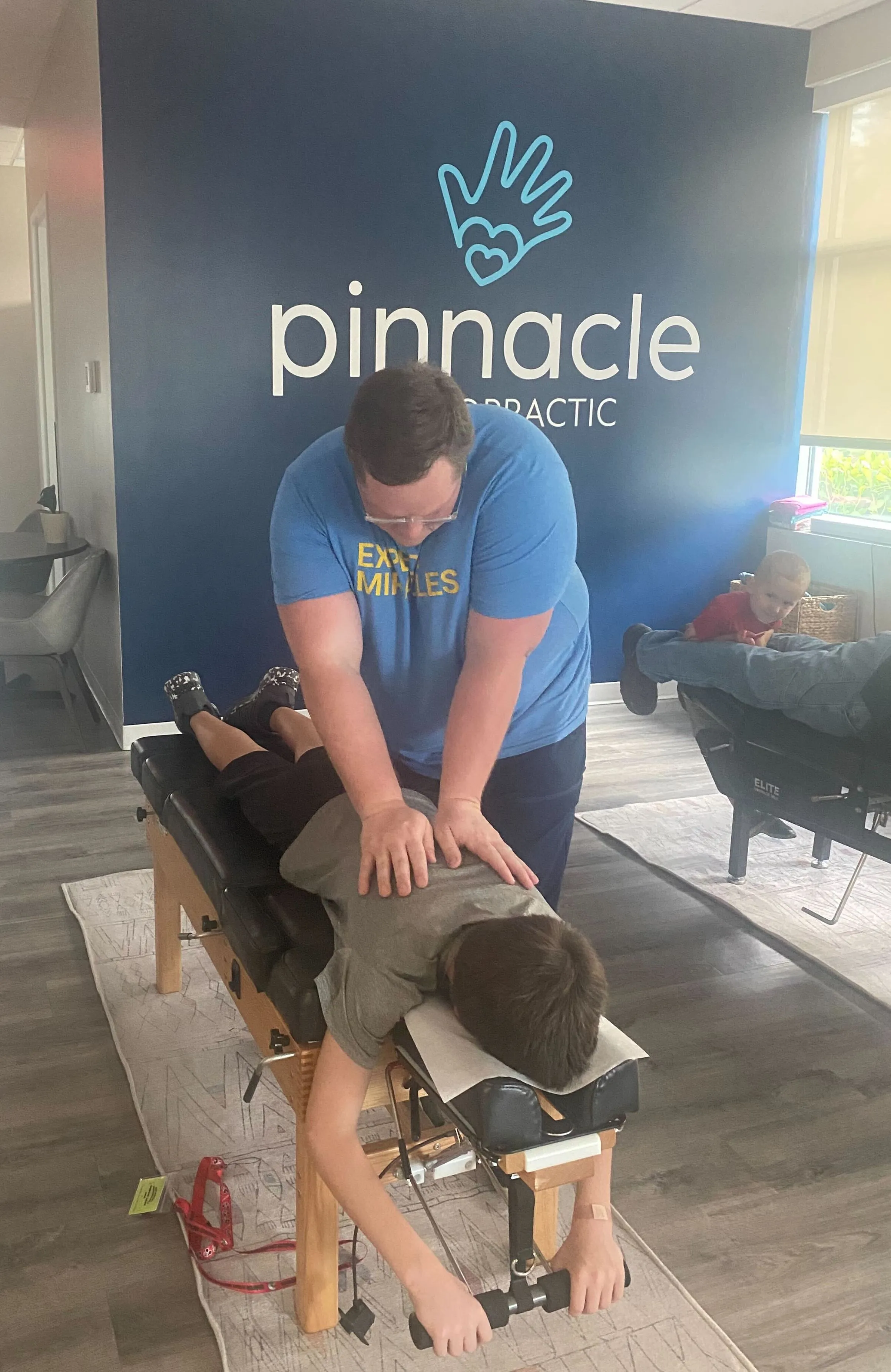
At Pinnacle Chiropractic, we look at sleep through a nervous system lens, not just a hormone lens.
And for many kids, sleep struggles aren’t caused by a lack of melatonin—they’re caused by an overstimulated, dysregulated nervous system.
Why Melatonin Isn’t Always the Best Choice for Kids
Melatonin is a hormone, not a nutrient. It signals the body that it’s time for sleep—but it does not calm the nervous system or address why a child can’t settle in the first place.
Common issues we see with melatonin:
- Helps kids fall asleep but not stay asleep
- Can suppress the body’s natural melatonin production
- May cause early morning wake-ups
- Can worsen anxiety, night terrors, or emotional swings
- Doesn’t address sensory overload or stress patterns
In other words:
Melatonin can force sleep, but it doesn’t teach the nervous system how to regulate.
Sleep Is a Nervous System Skill
For a child to sleep well, their nervous system must be able to shift into:
- Parasympathetic (rest-and-digest) mode
- Low cortisol and adrenaline
- Calm muscle tone
- Stable breathing and heart rate
If the nervous system is stuck in fight-or-flight, no amount of melatonin will create deep, restorative sleep.
That’s why we focus on nutrients that support calming, regulation, and brain communication—not sedation.
The Best Supplements for Kids With Sleep Struggles (That We Actually Recommend)
Below are three supplements we commonly recommend in our office because they support sleep by calming the nervous system, not overriding it.
1. Magnesium – The Foundation for Calm Sleep
👉 Affiliate link:
Purchase HERE off Amazon
Magnesium is one of the most important minerals for sleep—and one of the most common deficiencies in kids.
Why magnesium helps kids sleep:
- Calms the nervous system
- Relaxes muscles and reduces restlessness
- Supports GABA (the brain’s calming neurotransmitter)
- Helps kids stay asleep, not just fall asleep
This is especially helpful for kids who:
- Toss and turn
- Have growing pains or tight muscles
- Can’t “shut their brain off”
- Wake frequently overnight
Magnesium supports sleep naturally—without suppressing hormones.
2. Omega-3s (DHA + EPA) – Brain Regulation Support
👉 Affiliate link:
Purchase HERE off Amazon
Omega-3 fatty acids are critical for brain signaling and emotional regulation, which directly impact sleep quality.
Why omega-3s matter for sleep:
- Reduce inflammation that disrupts sleep cycles
- Improve nervous system communication
- Support emotional regulation and calming
- Help kids transition from stimulation to rest
This is especially helpful for kids with:
- ADHD or sensory challenges
- Emotional reactivity
- Difficulty winding down at night
Better brain regulation during the day often leads to better sleep at night.
3. Gentle Calming Blend (Non-Melatonin)
👉 Affiliate link:
Purchase HERE off Amazon
Some kids need extra help calming their nervous system at bedtime—especially those with anxiety or high sensory load.
Why non-melatonin calming blends can help:
- Support calming neurotransmitters like GABA
- Ease bedtime anxiety
- Help the body transition into sleep naturally
- Don’t override the body’s sleep hormone production
This option is often helpful for kids who:
- Resist bedtime
- Feel anxious or overwhelmed at night
- Are “tired but wired”
These blends support regulation, not sedation.
Why These Supplements Work Better Together
We rarely see one supplement “fix” sleep on its own.
The most success comes when we:
- Support mineral balance (magnesium)
- Support brain signaling (omega-3s)
- Support calming pathways (gentle calming blend)
This approach helps the nervous system learn how to settle, rather than relying on a hormone to knock it out.
Supplements Work Best When the Nervous System Is Supported
At Pinnacle Chiropractic, sleep support is never just about supplements.
Many families see the biggest improvements when they combine:
- Nervous system–based chiropractic care
- Targeted supplementation
- Reduced overstimulation
- Consistent bedtime rhythms
When the nervous system feels safe, sleep becomes a natural outcome.
Final Thoughts: Helping Kids Sleep Without Relying on Melatonin
If melatonin hasn’t worked—or doesn’t feel right for your child—there are better options.
Supporting sleep means:
- Calming the nervous system
- Nourishing the brain
- Reducing stress signals
- Building regulation over time
Sleep struggles aren’t a failure. They’re feedback.
If you’d like help creating a personalized, nervous system–based sleep plan for your child, our team would love to support you.
Visit our website at https://www.pinnaclebradenton.com
FTC Disclosure
This post contains affiliate links. If you purchase through these links, I may earn a small commission at no additional cost to you. We only recommend products we trust and believe in.



.webp)
.webp)