Probiotics After Antibiotics: Supporting Your Child's Gut
Antibiotics are sometimes exactly what a child needs, and they can also change the balance of bacteria in the gut. Many parents notice loose stools, tummy aches, or a drop in appetite during or after a course and wonder whether a probiotic could help. At Pinnacle Chiropractic, families across Lakewood Ranch, Sarasota, and Bradenton ask us about this regularly, especially after rounds of ear infections or strep.
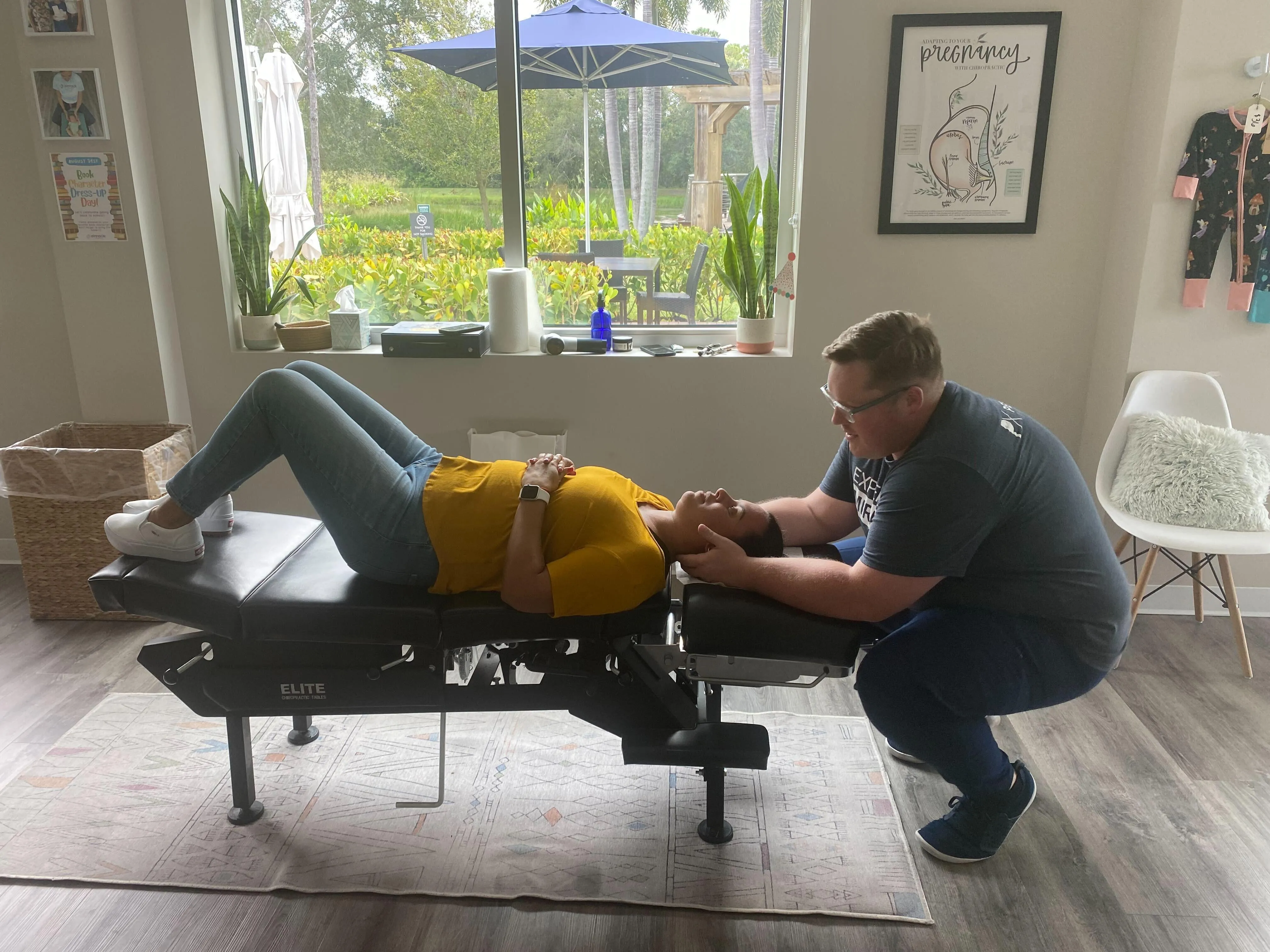
We think about digestion through a nervous system lens as well, since the gut and brain communicate constantly. Gentle pediatric chiropractic adjustments are designed to support nervous system function, which plays a role in how the digestive system is regulated. This article explains what antibiotics do to the gut, what research suggests about probiotics, and how to approach the decision with your provider.
Key Summary
• Antibiotics target harmful bacteria but can also reduce helpful gut bacteria, which may lead to digestive upset.
• Research suggests some probiotic strains may reduce the risk of antibiotic-associated diarrhea in children, though results depend on the strain and the child.
• Timing matters, and many practitioners suggest spacing a probiotic apart from the antibiotic dose.
• Food-based support, like fermented foods and fiber, can complement a supplement.
• Ask your child's provider or pharmacist before combining a probiotic with any prescription.
What Do Antibiotics Do to the Gut?
The digestive tract is home to trillions of bacteria that help break down food, make certain vitamins, and communicate with the immune system. Antibiotics are designed to stop harmful bacteria, but most are not selective, so they can also reduce beneficial species. The result can be a temporary shift in the gut's balance that sometimes shows up as loose stools, gas, or stomach discomfort. For most children the gut gradually rebounds after the course ends.
Why This Matters
Children who need repeated courses may experience repeated disruption, and parents often wonder how to support recovery. Our articles on antibiotics and kids and natural approaches to ENT health explore the bigger picture. Antibiotics are a decision for your child's prescribing provider, and nothing here is a reason to stop or skip a prescribed course.
What Does the Research Say About Probiotics?
Probiotics are live microorganisms that may offer health benefits when taken in adequate amounts. In studies of children taking antibiotics, certain strains have been associated with fewer episodes of antibiotic-associated diarrhea. However, results differ by strain, amount, and population, and probiotics are not a guaranteed solution. This is why product choice and guidance from a provider matter more than simply grabbing any bottle.
How to Think About Timing
• During the course — many practitioners suggest giving the probiotic a couple of hours apart from the antibiotic dose, since antibiotics can act on the bacteria in the probiotic.
• After the course — some families continue the probiotic for a period afterward to support recovery.
• Ask first — your child's provider or pharmacist can confirm timing for the specific antibiotic.
Food Support for the Gut
• Fermented foods such as plain yogurt and kefir contain live cultures for kids who tolerate dairy.
• Fiber-rich foods like fruits, vegetables, oats, and beans feed beneficial bacteria.
• Hydration helps if stools are loose.
• Limited added sugar, which can favor less helpful microbes.
Our guide to probiotics for pediatric digestive health goes deeper on strains and what to look for on a label.
Our Preferred Option
When families ask, Pinnacle Chiropractic's preferred brand is Designs for Health, a practitioner-focused supplement line. One option we point to is Designs for Health ProbioMed Kids. Before using any probiotic with a child, review the label and check with your child's provider or pharmacist, especially during a prescription course or if your child has a medical condition.
Disclosure: Some product links in this article may be affiliate links. Pinnacle Chiropractic may receive a commission if you purchase through these links, at no additional cost to you. We recommend products based on our professional preferences and experience.
Your child's healthcare provider can help determine whether supplementation is appropriate and what amount makes sense for your child's age, diet, health history, and individual needs.
How Pinnacle Chiropractic Approaches Gut and Nervous System Health
At Pinnacle Chiropractic, we look at the gut, the immune system, and the nervous system as connected. We begin with a nervous system evaluation using objective INSiGHT scans, because we measure, we don't guess. From there, we create a personalized plan of gentle pediatric chiropractic adjustments and talk through nutrition and supplement support when it fits, always alongside your pediatrician. For related reading, see how chiropractic care and nutrition work together for gut health.
What Parents Can Do
• Finish prescribed antibiotics exactly as directed.
• Ask your provider whether a probiotic is appropriate and how to time it.
• Offer fiber, fermented foods, and plenty of fluids.
• Notice and report severe diarrhea, blood in stools, fever, or signs of dehydration to your child's provider promptly.
FAQs
Should my child take a probiotic with antibiotics?
Some children may benefit, and research supports certain strains for reducing antibiotic-associated diarrhea. Check with your child's provider first, since the right choice depends on the child and the medication.
How long should my child take a probiotic after antibiotics?
There is no single rule. Some families continue for a few weeks, and your provider can suggest a length that fits your child.
Can probiotics replace a healthy diet?
No. Probiotics work alongside, not instead of, a diet rich in fiber and varied whole foods.
Are there side effects?
Some children experience gas or bloating at first. Children with weakened immune systems or serious illnesses should only use probiotics under medical guidance.
Can chiropractic care help with digestion?
Gentle pediatric chiropractic adjustments are designed to support nervous system function, which plays a role in digestive regulation. They are not a substitute for medical care.
Final Thoughts
A course of antibiotics can leave a child's gut feeling off, and supporting recovery with food, fluids, and thoughtfully chosen probiotics can help. The most important step is to involve your child's provider in the decision.
If your child struggles with digestion, sleep, or other signs of nervous system stress, Pinnacle Chiropractic can help you better understand what may be going on. Our neurologically focused approach uses objective INSiGHT scans and gentle pediatric chiropractic adjustments designed specifically for children. Contact Pinnacle Chiropractic to schedule a consultation.