The Vagus Nerve and Your Child’s Health: How This One Nerve Impacts Ear Infections, Congestion, and Immunity
The vagus nerve is the longest cranial nerve in the body, running from the brainstem down through the neck and into the chest and abdomen. It plays a role in regulating inflammation, digestion, heart rate, and mucus production — which is part of why it comes up so often when parents ask us about recurring congestion, ear issues, or digestive complaints in their kids.
What the Vagus Nerve Actually Does
Think of the vagus nerve as a major communication line between the brain and the rest of the body. It's a core part of the parasympathetic nervous system — the "rest and digest" side of the nervous system that helps the body calm down, digest food, and regulate immune responses. Good vagal tone (how well this nerve is functioning) is associated with better stress recovery, digestion, and inflammation control.
Signs of Low Vagal Tone Parents Sometimes Notice
- Frequent congestion and slow recovery from colds
- Picky eating, reflux, or constipation
- Poor sleep or difficulty settling
- Difficulty recovering emotionally after being upset
These signs have many possible causes, and low vagal tone is just one piece of a bigger picture — not a diagnosis in itself.
The Vagus Nerve and Ear, Nose, and Throat Health
The vagus nerve has connections near the muscles involved in the eustachian tubes and throat, which is part of why some chiropractors, including our office, look at nervous system function when a child has recurring congestion or ear infections. This is one piece of a larger picture that should also include your pediatrician's evaluation, especially for infections that need medical treatment.
How We Support Vagal Tone
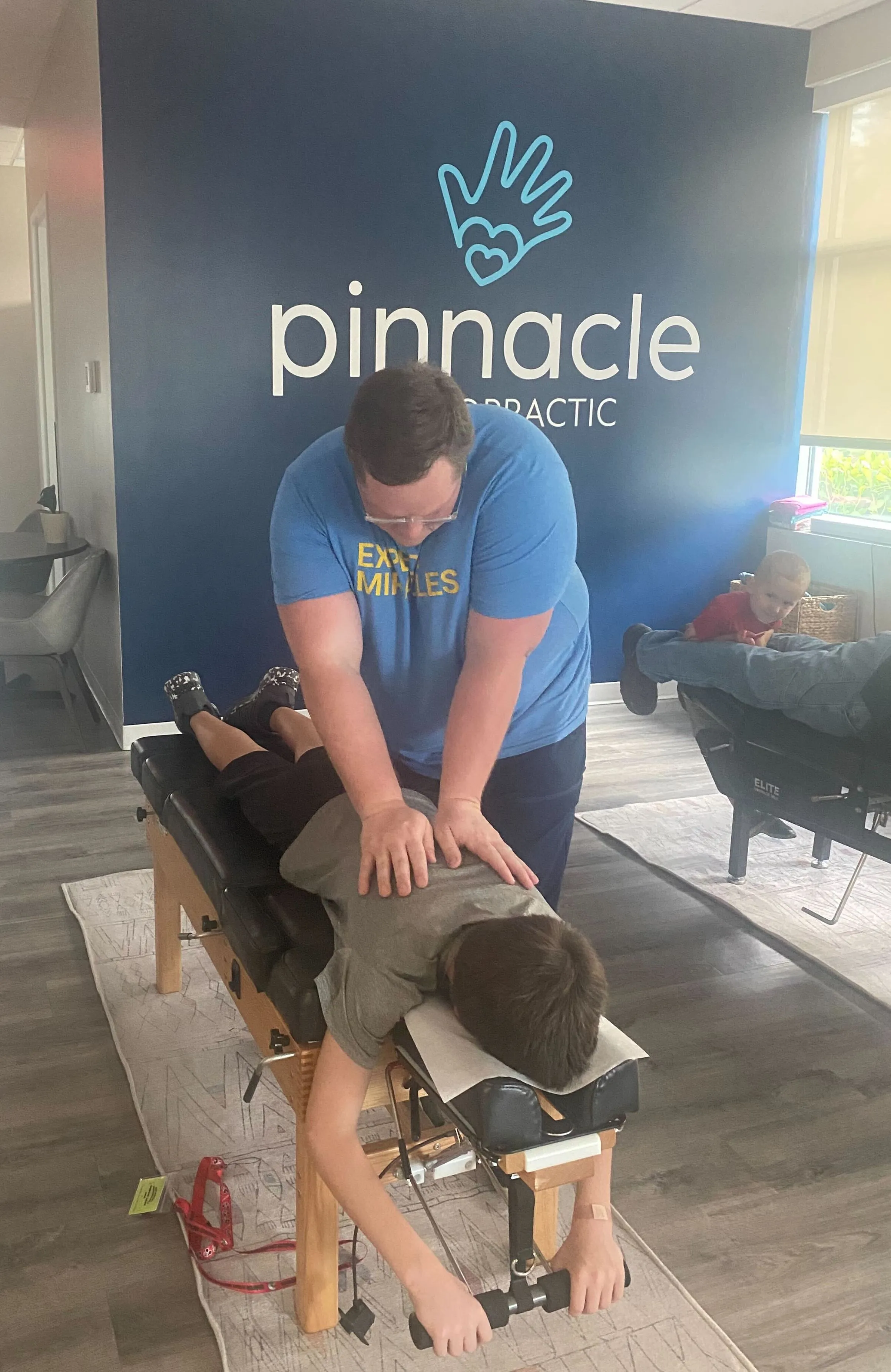
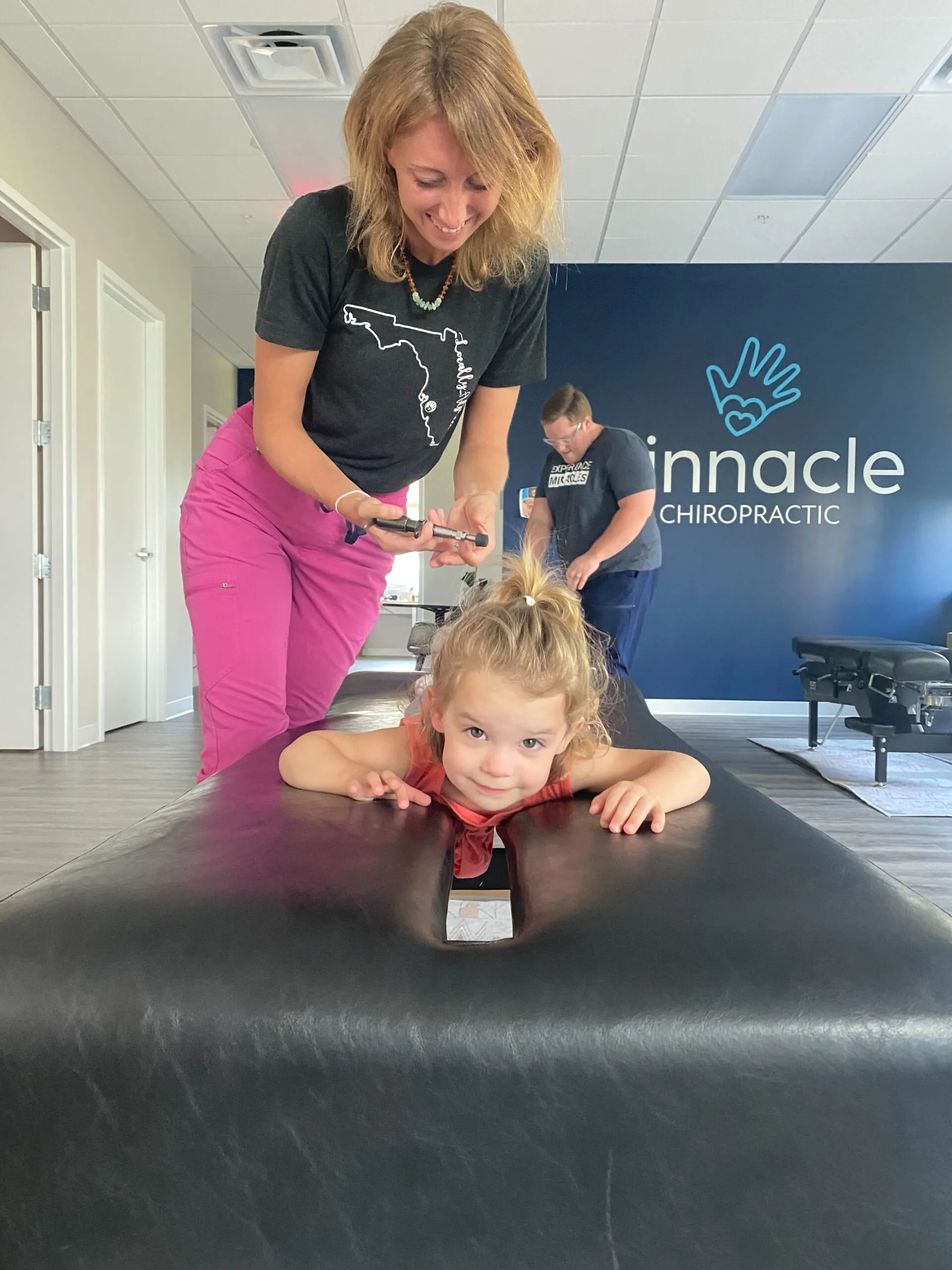
Gentle chiropractic adjustments
Reducing tension in the upper neck, an area closely connected to vagus nerve pathways, is central to how we approach this with pediatric patients.
Diaphragmatic breathing
Deep belly breathing directly stimulates the vagus nerve and is something we can teach kids old enough to practice it intentionally.
Humming and singing
The vagus nerve runs near the vocal cords, and activities that engage the throat — humming, singing, gargling — are simple, low-cost ways to support vagal activity at home.
Cold exposure
Brief cold-water face splashes are sometimes used to stimulate vagal tone, though this should be introduced gently and isn't necessary or appropriate for every child.
What This Isn't
Supporting vagal tone isn't a treatment for an active infection or a substitute for medical care when it's needed. If your child has a fever, is in visible pain, or has symptoms that concern you, that's a conversation for your pediatrician first.
Frequently Asked Questions
Can chiropractic care cure ear infections?
No — an active infection needs medical evaluation and, when appropriate, treatment. Supporting nervous system function is a complementary piece some families find helpful, not a replacement for that care.
Is vagal tone something that can be measured?
Heart rate variability is sometimes used as an indirect research measure of vagal tone, but it isn't something we routinely test for in a chiropractic setting. We focus on the practical signs and symptoms parents describe.
At what age can a child start vagus-nerve-focused exercises like breathing or humming?
Most kids can start simple breathing exercises around preschool age, once they can follow basic instructions — younger kids benefit more from passive approaches like gentle chiropractic care.
Schedule a Visit
If your child deals with recurring congestion, ear issues, or digestive discomfort, contact us to talk through whether this is worth exploring. Phone: 941-822-8828, 7984 Cooper Creek Blvd, Suite 104, Bradenton, FL 34201.



.webp)
.webp)