Zinc for Kids: What It Does, Where It Comes From, and When Supplements Come Up
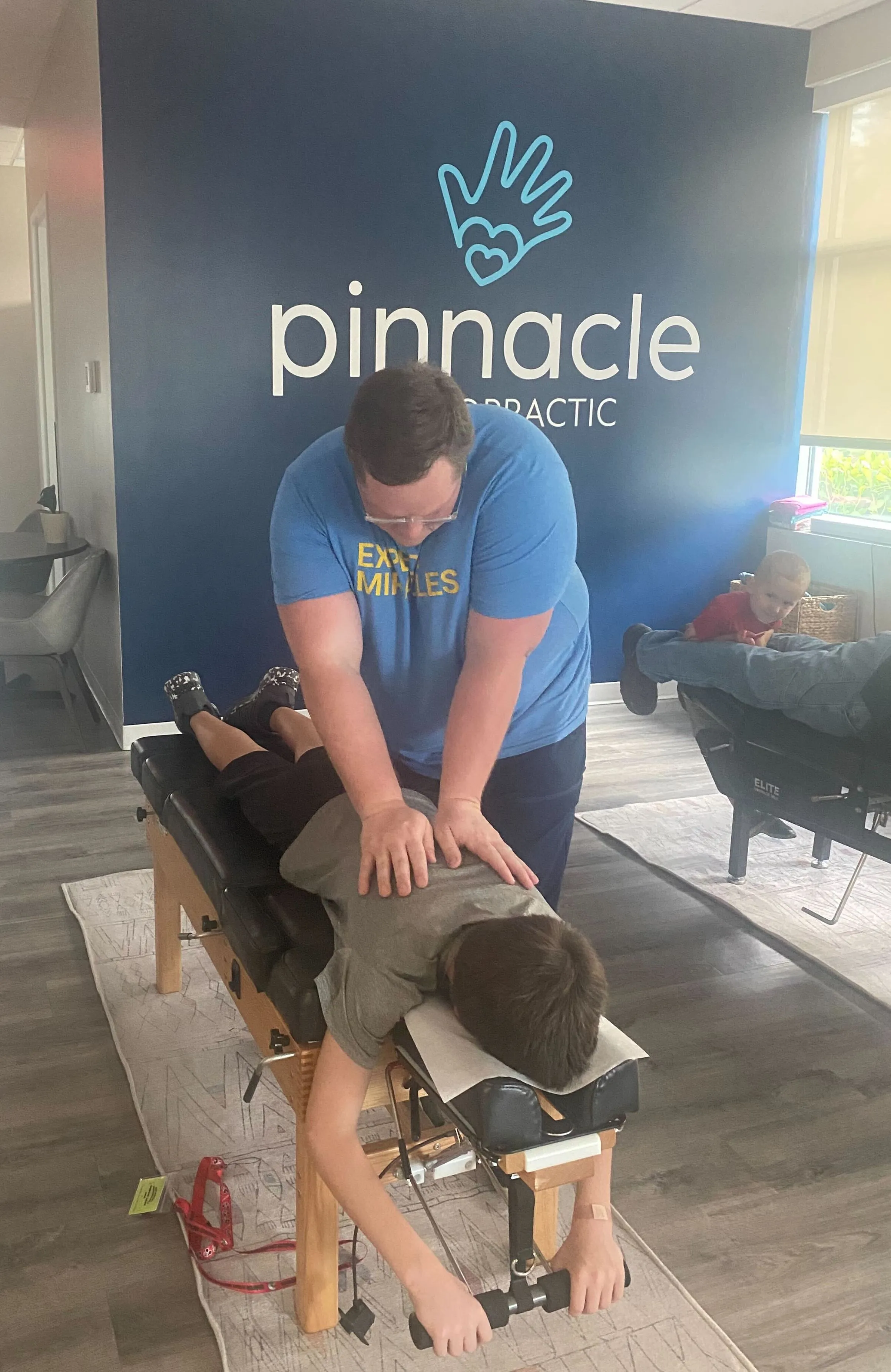
Zinc rarely gets the attention vitamin C or vitamin D does, but it quietly supports a long list of things parents care about: immune function, growth, wound healing, and even taste and appetite. At Pinnacle Chiropractic, zinc comes up most often when Lakewood Ranch, Sarasota, and Bradenton parents tell us their child gets sick often or eats a very limited diet. We see nutrition as one piece of how a child's body and nervous system function, and gentle pediatric chiropractic adjustments are designed to support nervous system function alongside a well-nourished body.
This article covers what zinc does, where kids get it, why intake can fall short, how supplement forms differ, and why individualized guidance matters more than any one product.
Key Summary
• Zinc is an essential mineral that supports immune function, growth, wound healing, and the sense of taste and smell.
• The body doesn't store zinc well, so kids need a steady supply through food, mainly meat, shellfish, beans, seeds, and dairy.
• Very picky eaters, kids on restricted or plant-based diets, and kids with frequent digestive upset may be more likely to fall short.
• More is not better: too much zinc can cause stomach upset and can interfere with copper and other minerals.
• Your child's healthcare provider can help decide whether a supplement makes sense and what amount fits your child.
What Does Zinc Actually Do?
Zinc is involved in hundreds of processes in the body. It helps immune cells develop and communicate, supports normal growth and cell repair, plays a role in skin health and wound healing, and is tied to how well we taste and smell food. Because it supports immune function and growth at the same time, childhood is a stage when getting enough matters. While research continues on how zinc affects things like cold duration and appetite, its role in normal growth and immune function is well established.
Why This Matters
Parents often notice zinc-related questions show up together: a child who catches every cold, eats only a handful of foods, and seems to have little interest in meals. These patterns have many possible causes, and low zinc is only one of them. Still, because zinc is so closely tied to both immunity and appetite, it's a nutrient worth understanding rather than guessing about. If you're also dealing with frequent illness, our post on why some children get sick more often looks at the broader picture.
Where Kids Get Zinc From Food
The best starting point is always food. Common sources include:
• Meat and poultry — beef, lamb, and dark-meat chicken are among the richest and best-absorbed sources.
• Shellfish — oysters are famously high, and crab and shrimp contribute too.
• Beans, lentils, and chickpeas — good plant sources, though the zinc is absorbed less efficiently.
• Seeds and nuts — pumpkin seeds, hemp seeds, and cashews, prepared in age-appropriate ways.
• Dairy and eggs — modest but reliable contributions for many families.
• Fortified cereals — a common source for picky eaters, though check labels for added sugar.
Why Intake Can Fall Short
Several everyday situations can make it harder for a child to get enough zinc:
• Very selective eating — kids who rely on a few beige foods may miss zinc-rich meats and legumes. Our post on nutrition tips for picky eaters offers practical ideas.
• Vegetarian or vegan diets — plant foods contain compounds called phytates that reduce zinc absorption, so these families often need to plan more carefully.
• Digestive issues — ongoing diarrhea or poor absorption can lower how much zinc the body keeps.
• Rapid growth — needs rise during growth spurts.
Signs Parents May Wonder About
There's no single reliable sign of low zinc, and many kids with marginal intake look perfectly fine. Parents sometimes ask about zinc when they notice a very limited appetite, slow wound healing, frequent illness, or foods tasting "off" to their child. These signs overlap with many other things, which is exactly why professional guidance beats guesswork.
Common Forms of Zinc
Not all zinc supplements are the same, and the form affects both absorption and how well a child tolerates it:
• Zinc gluconate and zinc acetate — common in lozenges and over-the-counter products.
• Zinc citrate — generally well absorbed and a little gentler on the taste.
• Zinc picolinate and zinc bisglycinate — chelated forms often chosen for good absorption and stomach tolerance.
• Zinc oxide — inexpensive but typically less well absorbed.
Zinc is also best taken with food, since taking it on an empty stomach is a common cause of nausea.
Our Preferred Option
When families ask, Pinnacle Chiropractic's preferred brand is Designs for Health, a practitioner-focused supplement line. One option we point to is Designs for Health Zinc DS. Before choosing any zinc product for a child, ask your provider whether its form and amount fit your child's age and needs.
Disclosure: Some product links in this article may be affiliate links. Pinnacle Chiropractic may receive a commission if you purchase through these links, at no additional cost to you. We recommend products based on our professional preferences and experience.
Your child's healthcare provider can help determine whether supplementation is appropriate and what amount makes sense for your child's age, diet, health history, and individual needs.
How Pinnacle Chiropractic Approaches Nutrition
At Pinnacle Chiropractic, we see nutrition and nervous system care as complementary. We start with a nervous system evaluation using objective INSiGHT scans — thermography, surface EMG, and heart rate variability — because we measure, we don't guess. Then we build a personalized care plan of gentle, age-appropriate pediatric chiropractic adjustments, and we talk through nutrition and supplement support when it's relevant, always alongside your pediatrician's guidance. For more on supporting immune health, see our post on supplements for toddler immune health.
What Parents Can Do
• Offer zinc-containing foods regularly, like meat, beans, seeds, and eggs, in forms your child will accept.
• Pair plant-based zinc sources with vitamin C-rich foods and soaking or cooking methods that improve absorption.
• Ask your pediatrician about your child's diet and whether testing or a supplement makes sense.
• Avoid layering multiple products that each contain zinc, which can add up quickly.
• Keep supplements stored safely out of children's reach.
FAQs
Does zinc help kids get over colds faster?
Research on zinc and colds is mixed, and results depend on the form, timing, and amount used. Because too much zinc can cause side effects, it's best to talk with your pediatrician before using zinc for a cold.
How do I know if my child is low in zinc?
Symptoms alone are unreliable, since low zinc can look like many other things. Your pediatrician can talk through your child's diet and decide whether any testing is worthwhile.
Can kids take too much zinc?
Yes. Excess zinc can cause nausea and stomach upset and, over time, can interfere with copper absorption. That's why individualized guidance matters more than a one-size-fits-all approach.
What foods are highest in zinc?
Oysters, beef, lamb, and other red meats are the richest sources, followed by poultry, beans, seeds, and dairy.
Can chiropractic care replace nutrition support?
No. Gentle pediatric chiropractic adjustments are designed to support nervous system function, while nutrients like zinc support the body in different ways. They work best as complementary pieces of your child's overall care.
Final Thoughts
Zinc is a small nutrient with a big job list, and for most kids, a varied diet covers it. When eating is limited or illness keeps recurring, it's worth looking at zinc as one piece of the picture, with food first and professional guidance guiding any supplement decision.
If you'd like help thinking through nutrition, nervous system health, and how they fit together for your child, Pinnacle Chiropractic is here. Our neurologically focused approach uses objective INSiGHT scans and gentle pediatric chiropractic adjustments designed specifically for children. Contact Pinnacle Chiropractic to schedule a consultation.



.webp)
.webp)