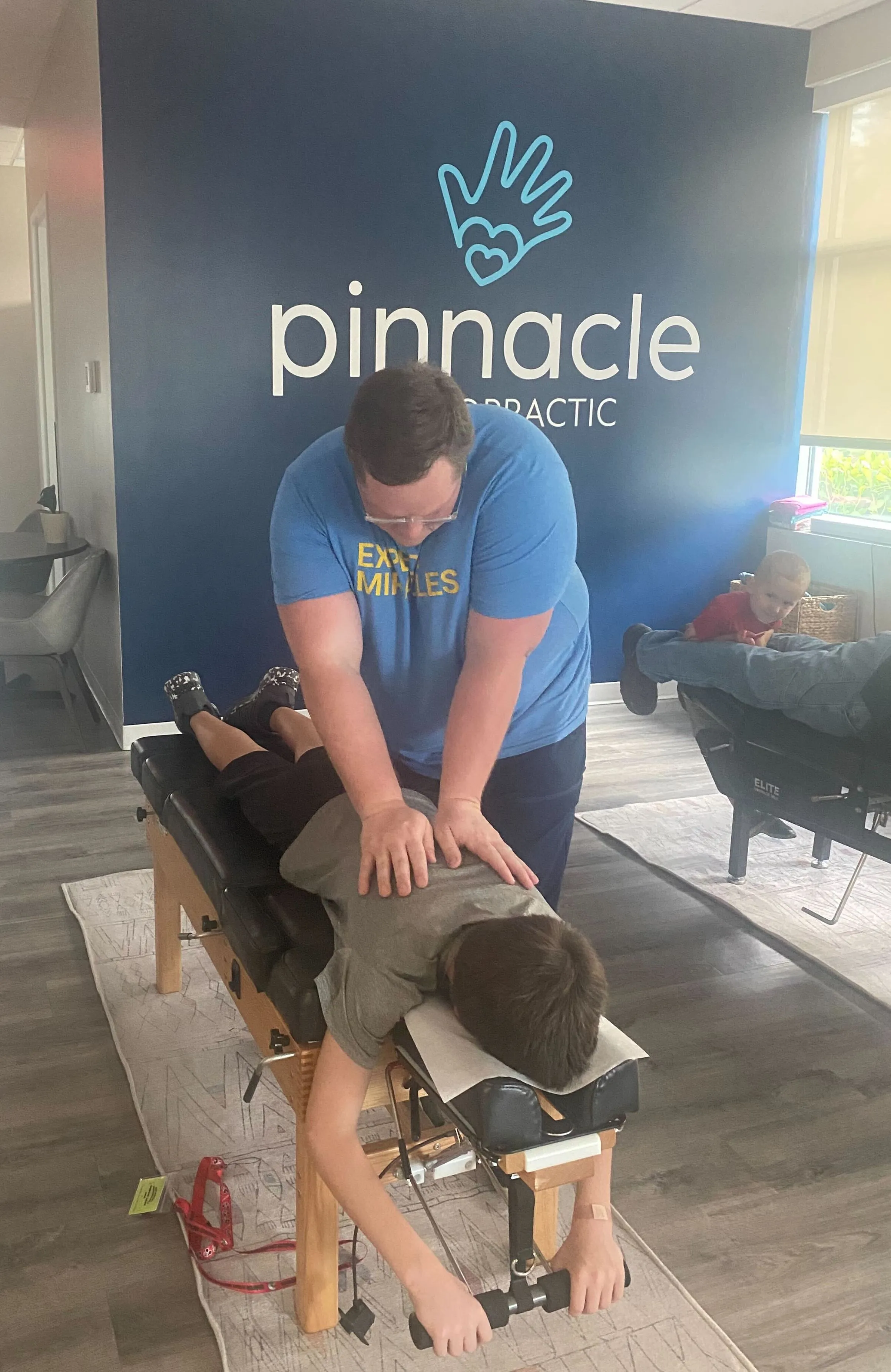
By the time a child is 6, 7, or older, most parents expect nighttime bladder control to be settled. When it isn't, it can feel confusing and frustrating for everyone involved — especially when a child seems perfectly capable of staying dry during the day. At Pinnacle Chiropractic, we look at persistent bedwetting through a nervous system lens, since the nervous system plays a direct role in bladder signaling, especially during sleep.
Gentle pediatric chiropractic adjustments are designed to support that nervous system communication, which is why so many families come to us specifically for this concern once they've ruled out other causes with their pediatrician.
Here's what commonly contributes to bedwetting past the age most kids outgrow it, what to watch for, and how a chiropractic approach fits in.
Key Summary
• Bedwetting past age 5-7 is common and usually not a sign of anything serious, but it's worth understanding rather than just waiting it out.
• The nervous system plays a direct role in bladder signaling during sleep, which is why nervous system regulation is often part of the picture.
• Common contributing factors include deep sleep patterns, nervous system regulation, constipation, and sometimes stress or anxiety.
• Bedwetting alongside daytime accidents, painful urination, or sudden onset after a long dry period should always be evaluated by your pediatrician first.
• Pediatric chiropractic adjustments are designed to support nervous system function and can be a helpful part of a broader approach for many families.
How Common Is Bedwetting?
Bedwetting, medically called nocturnal enuresis, is far more common than most parents realize. A meaningful percentage of school-age kids still wet the bed regularly, and boys tend to outgrow it a bit later than girls on average. Most kids do eventually grow out of it on their own — but "eventually" can mean years of stress, laundry, and self-esteem hits for a child who's embarrassed about it, especially once sleepovers and summer camp enter the picture.
Why This Matters
Bedwetting isn't just a logistical inconvenience. For many kids, it's a real source of shame and anxiety, especially as they get older and become more aware that their peers have already grown out of it. Understanding what's contributing to the pattern — rather than treating it as something to simply wait out — can help both the physical piece and the emotional weight a child may be carrying around it.
Common Contributing Factors
Persistent bedwetting is rarely caused by just one thing. Some of the most common contributing factors we see include:
• Nervous system regulation — the nervous system coordinates the signal between a full bladder and the brain, and during deep sleep some kids simply don't wake to that signal as reliably as others.
• Very deep sleep patterns — some kids are simply hard to rouse from sleep, which makes it harder for the bladder signal to break through.
• Constipation — a full bowel can put pressure on the bladder and is a commonly overlooked contributor to bedwetting.
• Family history — bedwetting often runs in families, and a parent who wet the bed as a child is a meaningful data point.
• Stress or big life changes — a new sibling, starting school, or a family change can sometimes trigger bedwetting, especially if a child had previously been dry, and sometimes shows up alongside other anxious habits too.
Signs Parents May Notice
• Nighttime wetting that continues past age 5-7 on a regular basis.
• A child who sleeps very deeply and is difficult to wake.
• Wetting that seems to come and go with stress or changes in routine.
• A pattern of constipation or infrequent bowel movements alongside the bedwetting.
• Embarrassment or reluctance to attend sleepovers or camp because of it.
The Nervous System Connection
The nervous system is directly responsible for coordinating bladder signaling — sensing fullness, communicating that to the brain, and prompting the body to wake or hold. When there's tension or dysfunction along the spine, particularly in the lower back and pelvis, it can influence how efficiently those signals travel, especially during the deep sleep where bedwetting most often happens. At Pinnacle Chiropractic, we use objective INSiGHT scans — thermography, surface EMG, and heart rate variability — to get a clear, measured picture of how a child's nervous system is functioning. We measure, we don't guess.
How Pinnacle Chiropractic Approaches Bedwetting
When a family comes to us about bedwetting, we start with a nervous system evaluation to objectively assess tension patterns, particularly through the lower back and pelvis. From there, we build a personalized care plan using gentle, age-appropriate pediatric chiropractic adjustments designed to support better nervous system communication. Many Lakewood Ranch, Sarasota, and Bradenton families come to us specifically for this concern after other approaches haven't made much difference, and we're upfront that results vary from child to child.
What Parents Can Do
• Limit fluids in the hour or two before bed, without restricting daytime hydration.
• Establish a consistent bathroom routine right before bed, every night.
• Address constipation if it's present, since a full bowel can contribute to bladder pressure.
• Avoid punishment or shame around wetting — it's not something a child is doing on purpose, and pressure tends to make it worse, not better.
• Consider a nervous system evaluation with a pediatric chiropractor to get an objective look at what may be contributing.
FAQs
At what age should I be concerned about bedwetting?
Most pediatricians don't consider bedwetting a concern until around age 5-7, since nighttime bladder control develops at different rates for different kids. Persistent bedwetting past that range is worth understanding, though it's still common and rarely a sign of anything serious.
Is bedwetting my child's fault?
No. Bedwetting is not something a child does on purpose or can simply choose to stop — it's tied to nervous system development, sleep depth, and sometimes physical factors like constipation. Punishment or shame doesn't help and can add unnecessary emotional weight.
Can chiropractic care help with bedwetting?
Gentle pediatric chiropractic adjustments are designed to support nervous system function, including the signaling involved in bladder control during sleep. It works best as part of a broader picture that includes your pediatrician's guidance, and results vary by child.
When should I see a doctor about bedwetting?
See your pediatrician if bedwetting starts suddenly after a long dry period, is accompanied by pain, daytime accidents, or unusual thirst or fatigue. These signs need medical evaluation.
What happens during a pediatric chiropractic visit for bedwetting?
At Pinnacle Chiropractic, we start with INSiGHT neurological scans to objectively assess nervous system function, then use those results to build a personalized, gentle care plan for your child.
Final Thoughts
Bedwetting past the age most kids outgrow it is common, usually not a sign of anything serious, and rarely something a child can just will away. Understanding the nervous system, sleep, and physical factors behind it — alongside your pediatrician's guidance for anything unusual — gives families a fuller picture of what's going on and what can help.
If your child is dealing with persistent bedwetting, Pinnacle Chiropractic can help you better understand what may be contributing to it. Our neurologically focused approach uses objective INSiGHT scans and gentle pediatric chiropractic adjustments designed specifically for children. Contact Pinnacle Chiropractic to schedule a consultation.



.webp)
.webp)